Vietnam Shatters Tourism Records in 2026: What Travelers Need to Know Now
Vietnam just smashed its own tourism records. The first five months of 2026 saw more international visitors than any full year before the pandemic. Airports are buzzing. Hotels in central Hanoi and Ho Chi Minh City are reporting near-full occupancy. The government is racing to expand infrastructure, including a massive new airport hub outside Hanoi. For travelers, this is a double-edged sword. The energy is electric, and the street food scene is more vibrant than ever. But the secret is out. Those quiet alleys in Hoi An? They’re now streaming with selfie sticks. The pandora’s box of overtourism is creaking open. Yet that doesn't mean you should skip Vietnam. It means you need to travel smarter, not harder. The golden age of discovering Vietnam alone in a crowd is fading. The age of knowing where to go and when has arrived.
This surge didn't happen overnight. Vietnam has been quietly building its tourism game for years. Visa waivers expanded. New direct flights from India, the US, and the UK launched. Social media influencers flooded Instagram with shots of Ha Long Bay and the Hanoi Train Street. The result is a perfect storm. In 2025, arrivals already climbed. But 2026 is a different beast. The numbers from January to May alone eclipse previous annual totals. Compare this to 2019, the last pre-pandemic peak, when Vietnam welcomed 18 million visitors. The current trajectory suggests 2026 could hit 22 million or more. That puts pressure on everything: transport, accommodation, and the experience itself. Destinations like Da Nang and Phu Quoc are feeling the heat. But here’s the twist: much of the growth is concentrated in the north, around Hanoi and Ha Long. The south and central highlands still offer breathing room.
So what does this mean for your actual trip? First, book everything early. Hanoi's Old Quarter hotels are selling out weeks in advance. Popular cooking classes in Hoi An now require reservations a month ahead. The iconic basket boat rides in the Mekong Delta? Expect queues. Street food stalls that once had empty plastic stools now have lines down the block. But the experience itself remains incredible. The pho still steams. The coffee still drips. The chaos of motorbikes in Saigon still feels like a video game you’re losing. The difference is the crowd around you. You'll hear more English, more Mandarin, more Korean. The vendors are more aggressive with pricing. The quiet moments are harder to find. But they exist. You just have to know where to look. The key is shifting your mindset from 'see everything' to 'experience something deeply'.
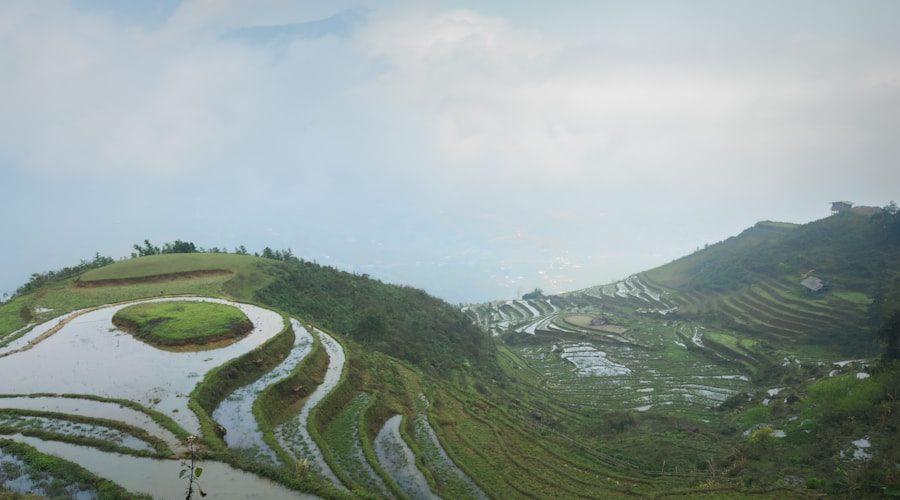
Smart travelers are already adapting. Skip the peak season of December to February. Instead, aim for the shoulder months of April or October. The weather is still pleasant, but the crowds thin noticeably. Avoid Ha Long Bay on weekends entirely. Take a weekday cruise instead. Consider replacing the famous but overcrowded Sapa with the less-visited Ha Giang loop. It offers equally dramatic rice terraces and mountain passes without the tourist buses. In Hoi An, visit the ancient town at sunrise. By 8 AM, the lantern-lit streets are already packed. For a truly local experience, head to the central highlands. Da Lat remains a cool, green escape with fewer international visitors. The coffee plantations and waterfalls feel like a secret. And in Ho Chi Minh City, skip the tourist-heavy Ben Thanh market. Walk ten minutes to the less crowded Binh Tay market in Cholon. The prices are lower. The energy is real.
Practical tip: Download the Grab app before you arrive. It works like Uber but is the only reliable way to book taxis and motorbikes. Avoid hailing cabs on the street — overcharging is rampant. Use Grab for everything from airport transfers to late-night banh mi runs.