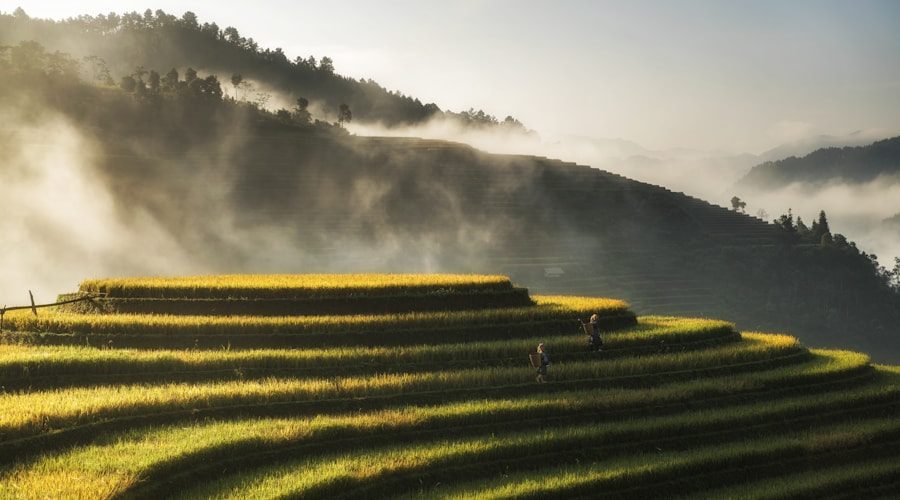
Vietnam 2026: Record Tourism Surge and What Smart Travelers Need to Know
Vietnam just posted its highest tourist arrivals ever in the first five months of 2026. The numbers are staggering. Hotels in Hanoi, Ho Chi Minh City, and Da Nang are reporting near-full occupancy. Meanwhile, Sun Group is doubling down on Phu Quoc, pouring investment into experiential travel and new hospitality projects showcased at SITF 2026. This isn't just a blip. It's a signal that Vietnam has officially entered a new era of global tourism. For travelers, this means more energy, more infrastructure, and more buzz. But it also means competition for space, especially in the usual hotspots. The stakes are clear: you can either join the masses or learn to move differently.
Why is this happening now? Vietnam has quietly become the alternative to Thailand, and the comparison is instructive. Thailand is grappling with over-tourism in places like Phuket and Chiang Mai, while Vietnam offers a fresher, less saturated experience. Direct flights from Australia have exploded, with The Guardian recently noting how Australians are flocking to Vietnam in droves. The country's visa policy is liberal, costs remain low, and the food scene is unmatched. But this rapid growth creates pressure. The same roads, the same bays, the same temples now serve more visitors than ever before. That's the trade-off. More people means more strain, and smart travelers need to adapt their strategies.
On the ground, the experience is changing. In Hanoi's Old Quarter, you'll weave through thicker crowds. In Ha Long Bay, expect more boats on the water. But here's the upside: the infrastructure is catching up. New airports, upgraded highways, and better ferry services mean you can move faster between destinations. Phu Quoc, once a sleepy island, now has world-class resorts and a casino that's drawing serious international attention. Sun Group's investments are turning it into a luxury hub. The energy is electric. You feel it in the street food stalls, the night markets, and the conversations with locals who are excited about the boom. Just book accommodation well ahead, especially for weekends and holidays.
Here's what smart travelers should do differently this year. Skip the standard Ha Long Bay cruise and head to Lan Ha Bay instead. Same limestone karsts, fraction of the crowds. Instead of Hoi An's lantern-lit old town at peak hours, visit at 7 AM when the streets are empty and the light is golden. Consider Ninh Binh as a base instead of Hanoi for a few days — it's quieter, greener, and more authentic. And Phu Quoc? Yes, go. But choose the north or south ends of the island, away from the central strip where the resorts cluster. The key is timing. Travel mid-week. Avoid Vietnamese public holidays. Fly into secondary airports like Hai Phong instead of Hanoi to skip the traffic.
Practical tip: Download the Grab app before you arrive. It works for taxis, motorbikes, and food delivery across every major city. Pay with a local SIM card — get one at the airport for under 10 USD. It saves you haggling, prevents scams, and lets you book transport instantly. For motorbike rides, always check the plate number matches the app.