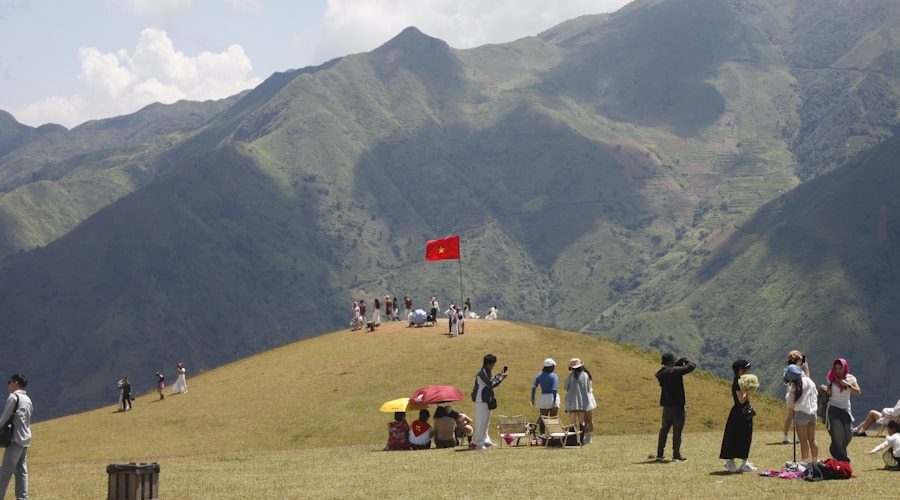
Vietnam 2026: Overtakes Thailand as SE Asia's Top Tourism Powerhouse
The tectonic plates of Southeast Asian travel have shifted. In 2026, Vietnam officially overtook Thailand in tourism revenue, pulling in $39 billion against Thailand's $37 billion. This isn't just a statistic. It changes everything for anyone planning a trip to the region. For decades, Thailand was the default entry point for Southeast Asia — the place where first-timers cut their teeth on pad thai and full-moon parties. Now Vietnam has stolen the crown. Record arrivals in the first five months of 2026 — fueled by easier visas, new direct flight routes from Europe and North America, and aggressive marketing of places like Phu Quoc Island — have reshaped the hierarchy. Travelers who used to skip Vietnam for Thailand are now doing the reverse. And the on-the-ground experience reflects this shift.
This reversal didn't happen overnight. Thailand has long suffered from what tourism experts call 'over-maturity.' Think crowded beaches, environmental degradation in spots like Maya Bay, and a reputation for being slightly jaded. Vietnam, by contrast, hit a sweet spot. It modernized its infrastructure without losing its raw edge. The government streamlined e-visas, opened new airports in Da Nang and Cam Ranh, and invested in high-speed rail links between Hanoi and Ho Chi Minh City. Meanwhile, Phu Quoc Island saw a 40% jump in foreign arrivals in just one year, drawing travelers who might previously have chosen Phuket or Koh Samui. The result? A destination that feels fresh, affordable, and genuinely welcoming — three things Thailand struggles to claim with the same conviction today.
So what will you actually feel on the ground? Expect busier airports in Hanoi and Ho Chi Minh City — arrival halls now hum with a polyglot buzz of French, Korean, and American accents. Hotels in prime districts like Hoan Kiem Lake or District 1 are booking out weeks in advance, especially during peak season from November to April. Do not expect empty temples or silent rice terraces. But here is the good news: the crowds concentrate in obvious places. Sapa's Muong Hoa Valley still feels vast. The back alleys of Hoi An's Old Town — away from the lantern-lit main drag — remain hushed. And Phu Quoc's northern beaches, particularly Bai Dai, offer stretches of sand where you can still hear waves instead of karaoke. The infrastructure upgrade means smoother journeys: better roads, cleaner trains, and more reliable WiFi even in remote homestays.
Smart travelers should adjust their strategy for 2026. First, book accommodation at least three months ahead if visiting between December and February. Second, fly into secondary airports: Da Nang instead of Hanoi, or Can Tho instead of Ho Chi Minh City. This sidesteps the main bottlenecks. Third, consider regions Thailand tourists are now abandoning. Places like Ha Giang province, with its jaw-dropping mountain passes, or the Con Dao Islands, where turtle nesting beaches remain pristine, offer the kind of solitude Phuket lost a decade ago. Fourth, eat where locals eat. Street food stalls in Hanoi's Truc Bach neighborhood or Hue's Dong Ba market serve meals at half the price of tourist-heavy spots — and the flavor is leagues better. Vietnam's rise means more competition for resources, but also more incentive for businesses to deliver quality.
Practical tip: Carry a mix of cash and a digital payment app like MoMo or Vietcombank's QR code system. While Vietnam has leapfrogged into cashless payments faster than Thailand, many rural homestays and street vendors still only accept cash. Keep small denominations of 10,000 and 20,000 VND notes for quick purchases.