Vietnam 2026: Why It’s the Safest Bet for Your Next Trip Despite Dengue Fears
Vietnam is having a moment. In 2026, the country is on track to break all previous tourism records, with over 20 million international arrivals expected by year-end. Travel news outlets are calling it the safest long-haul destination in Southeast Asia — a bold claim in a region where safety concerns often dominate headlines. But just as the hype peaks, a dengue fever outbreak is spreading across tourist hotspots like Hanoi, Ho Chi Minh City, and Da Nang. Health warnings are escalating. The stakes for travellers have never been higher: you can still visit Vietnam safely, but only if you know where to go and how to prepare. This isn't a reason to cancel your trip. It's a reason to plan smarter.
Vietnam's tourism boom didn't happen overnight. The country has spent years upgrading infrastructure, easing visa policies, and promoting lesser-known regions. In 2025, it introduced a 90-day e-visa for all nationalities, a game-changer for spontaneous travellers. Meanwhile, neighbouring Thailand has struggled with overtourism and political uncertainty. Vietnam offers a quieter alternative — but the dengue outbreak threatens to undermine that reputation. The virus has surged dramatically in 2026, with cases up 40% compared to the same period last year. The government has launched mosquito control campaigns in major cities, but the outbreak is far from contained. This is the price of rapid growth: infrastructure is struggling to keep pace with the influx of visitors.
So what does this mean for your actual trip? On the ground, the impact is uneven. In tourist-heavy areas like Ho Chi Minh City's District 1 or Hanoi's Old Quarter, you'll see health advisories posted in hotels and cafes. Some tour operators now include insect repellent in welcome kits. But the real risk is in rural or coastal areas where mosquito breeding is harder to control. The good news? Most cases are mild, and severe outcomes are rare among healthy adults. Still, you'll notice a shift in how locals talk about travel. Street vendors might offer you lemongrass oil. Hotel staff will remind you to close windows at dusk. It’s not alarmist — it’s practical. And it doesn’t diminish the magic of Vietnam’s food, landscapes, or warmth. It just adds a layer of awareness.
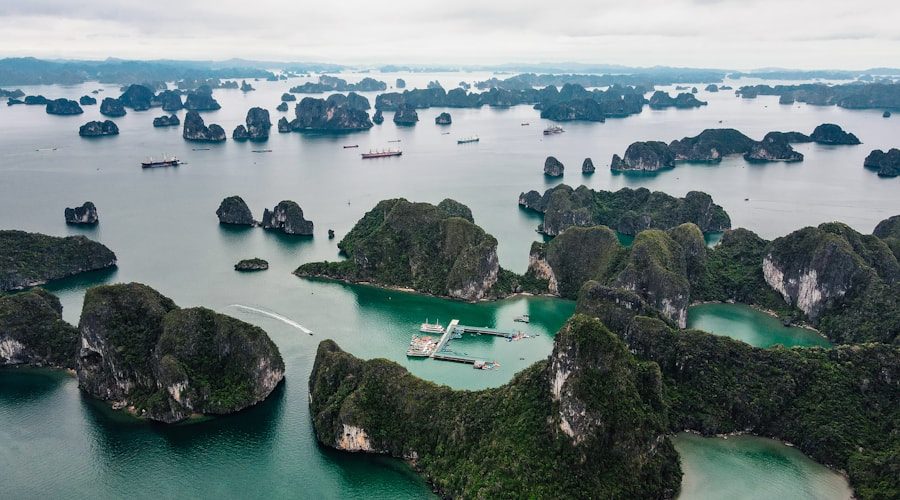
Smart travellers are already adjusting their itineraries. Instead of spending a full week in a dengue hotspot, they’re splitting time between cities and high-altitude destinations like Sapa or Da Lat, where mosquitoes are scarce. They’re booking accommodations with screened windows or air conditioning — not a given in budget hostels. They’re also carrying DEET-based repellent (not the natural stuff, which fades fast). If you’re worried, skip the Mekong Delta during peak mosquito hours — dawn and dusk. And here’s a counterintuitive move: visit during the dry season (December to April). Many assume rainy season is riskier, but dengue spikes in wet months when standing water collects. Dry season means fewer mosquitoes and clearer skies for that Ha Long Bay cruise.
Practical tip: Before you fly, check the Ministry of Health’s real-time dengue map at vncdc.gov.vn. It shows outbreak zones by district. Book accommodation north of the outbreak clusters — Da Nang’s coast is currently safer than its city center. Pack two repellents: one for skin, one permethrin spray for clothes. And confirm your travel insurance covers dengue treatment. Most policies do, but always double-check. A 30-second email could save you thousands.