Dubai in 2025: War, Recovery, and What Travelers Need to Know Now
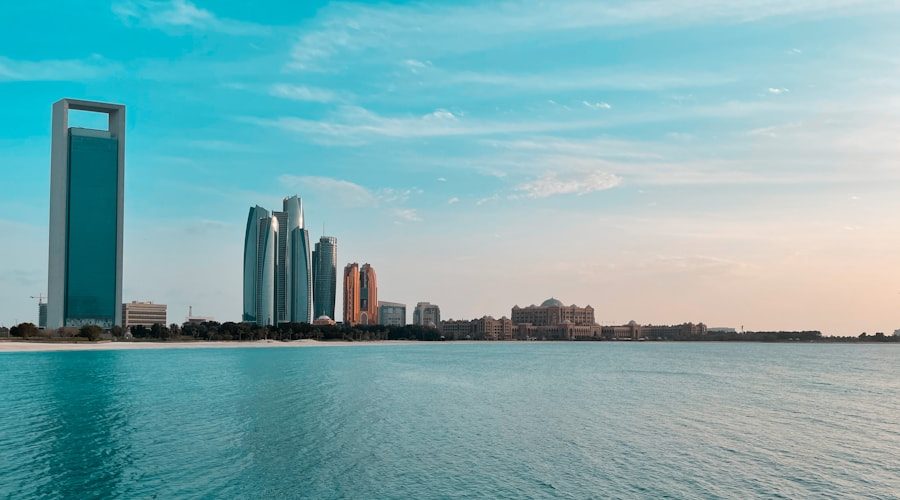
Dubai’s skyline glitters like always. The malls are packed. Flights land on time. But beneath this polished surface, the city is quietly recalibrating. The war between Israel and Iran has sent shockwaves through the Middle East, and Dubai — the region’s tourism crown jewel — is feeling the tremors. Visitor numbers from key markets like Israel and Europe have dropped sharply. Hotels are offering discounts that would have been unthinkable a year ago. The city looks open for business, but the business has changed. For travelers, this creates a strange paradox: fewer crowds, better deals, but also a lingering uncertainty about what might happen next. Understanding this new reality is essential before booking a trip.
Dubai has long marketed itself as a safe haven in a turbulent region. During the Arab Spring, it thrived while nearby capitals struggled. But the current conflict cuts closer to home. Iran is just across the Gulf. Missiles have flown over UAE airspace. The BBC recently described the impact on Dubai’s tourism as 'brutal.' That’s not hyperbole. In the first quarter of 2025, hotel occupancy rates fell by nearly 15 percent compared to the same period last year. The Dubai government has responded with aggressive promotions and relaxed visa rules, but the damage to traveler confidence is real. This isn’t a repeat of 2020’s pandemic shutdown — it’s a slower, more insidious erosion of the city’s reputation as a worry-free destination.
So what will you actually experience on the ground? In short: a quieter, more affordable Dubai. Luxury hotels that once demanded a four-night minimum are now offering three-for-two deals. Popular restaurants in Dubai Marina have same-day availability. The Gold Souk feels less frantic. Tour operators report that desert safari bookings are down, meaning you’ll have more space at the dunes. But there are also new friction points. Security checks at malls and hotels have increased. Some attractions have adjusted their hours due to reduced demand. And while the city feels safe, the geopolitical tension is a constant undercurrent — visible in the news tickers at airport lounges and overheard in café conversations between nervous expats.
Smart travelers should lean into this moment. The discounts are real, but they won’t last forever. If you’re flexible with dates, book for late spring or early autumn 2025, when hotels are most desperate to fill rooms. Avoid the temptation to stay only in Dubai — Abu Dhabi and Ras Al Khaimah are offering even steeper cuts, with fewer crowds. Consider booking refundable rates and travel insurance that covers geopolitical disruptions. And don’t skip cultural experiences just because the city feels subdued; the Al Fahidi Historic District and the newly reopened Etihad Museum are nearly empty right now, offering a rare chance to explore without the usual crush of tourists.
Practical tip: Before you fly, download the UAE’s official emergency app and register with your embassy. It takes five minutes and gives you real-time alerts. Most travelers never need it, but in this climate, knowing you have a direct line to official information changes everything.