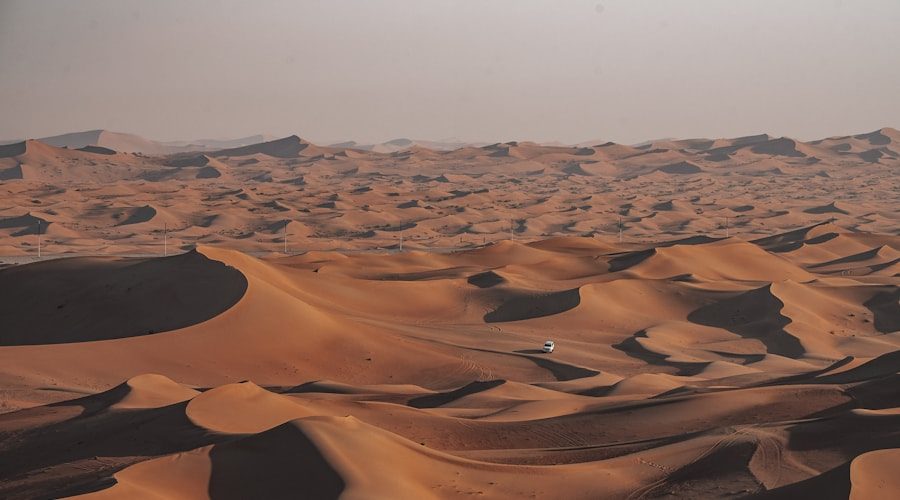
Dubai tourism in 2026: War, heat, and families changing summer plans
Dubai's tourism machine is hitting a rough patch. Regional tensions are casting a long shadow, and the numbers are starting to show it. The BBC recently called the impact "brutal," with hotel bookings dipping and some travelers rethinking their itineraries entirely. But there's another quiet shift happening: families are already canceling or postponing their summer 2026 trips, according to Gulf News. With school holidays just a month away, parents are looking at the scorching 45°C summer heat and thinking twice. They're not just worried about conflict zones. They're worried about spending a fortune on indoor malls and air-conditioned hotel rooms when they could be in cooler destinations for the same money. The stakes for travelers are real. If you're planning a UAE trip, you need to know what's actually happening on the ground, not just the headlines.
This isn't Dubai's first crisis. After the 2008 financial crash, the city reinvented itself with mega-malls and flashy events. After COVID, it bounced back faster than almost anywhere else, becoming a magnet for digital nomads and remote workers. But the current situation is different. The war's proximity — just across the water in Iran — makes people nervous in a way that economic downturns didn't. Tourists can handle a recession. They can't handle the feeling of being near active conflict zones. The Jerusalem Post recently explored how this is shaping the city's long-term tourism future, and the outlook is cautious. Meanwhile, climate change is making the summer months genuinely dangerous for outdoor activity, not just uncomfortable. 2025 saw heat records broken across the Gulf. 2026 will likely be worse.
So what will you actually experience if you visit Dubai right now? The airport is still running smoothly. Hotels are still offering world-class service. But you'll notice empty pockets: fewer crowds at the Dubai Mall, more availability at top restaurants, and hotel rates that are more negotiable than they've been in years. The vibe is quieter, more subdued. Tour operators are reporting cancellations for desert safaris and outdoor tours, even though those are far from any border tension. The heat, combined with the psychological weight of nearby conflict, is creating a strange lull. For travelers who do come, it means shorter queues at attractions and more personal space on public beaches. But it also means a city that feels slightly on edge, with security presence more visible than usual.
Smart travelers should adjust their timing and expectations. If you're flexible, avoid June through September entirely. The combination of extreme heat and regional instability makes those months a poor value proposition right now. Instead, target November through March, when the weather is genuinely pleasant and the geopolitical situation might be calmer. Consider alternatives within the UAE too. Ras Al Khaimah and Fujairah are quieter, with fewer crowds and lower prices. They also offer mountain scenery and Indian Ocean beaches that feel a world away from Dubai's skyscraper intensity. If you must visit during summer, book hotels with extensive indoor amenities: waterparks, ice rinks, indoor skiing. Don't rely on outdoor activities. And always check your travel insurance policy for cancellation clauses related to regional conflict.
Practical tip: Book refundable rates directly with hotels rather than through third-party sites. Dubai hotels are currently offering flexible cancellation terms to reassure nervous travelers, but OTAs often don't pass these benefits on. A direct booking gives you the freedom to change plans if the situation shifts.