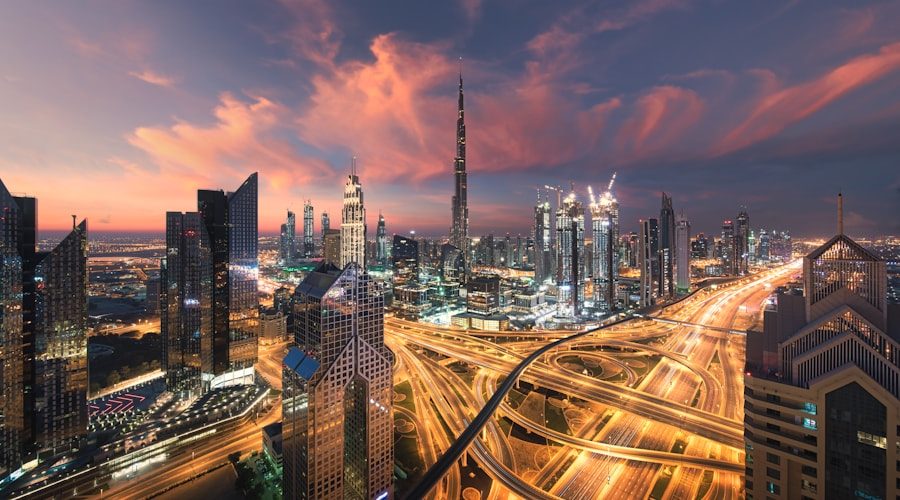
Dubai 2026: The Real Story Behind the Glittering Facade
Dubai's skyline gleams, its malls hum with shoppers, and influencers are back posing at infinity pools. On the surface, the emirate has snapped back to its pre-pandemic buzz. But scratch that golden veneer and a more complicated picture emerges. The war in Gaza and regional instability have sliced into tourism numbers, especially from Europe and the Middle East. Hotels that once commanded premium rates are slashing prices. Restaurants that relied on long-haul travellers are pivoting to locals. Dubai looks normal — but beneath the surface, it's a different story. For travelers, this creates a strange paradox: better deals, fewer crowds, and a city that's quietly rethinking its entire tourism model.
Dubai has weathered crises before — the 2008 financial crash, the pandemic, the 2020 oil price war. Each time, it reinvented itself. But the current moment is distinct. Regional conflicts, specifically the Iran-Israel tensions and the war in Gaza, are not isolated events. They ripple across the Gulf. Airlines cancel flights. Travel insurance premiums spike. Tourists cancel bookings out of caution. The BBC recently reported the 'brutal' impact on Dubai's tourism sector. Even as the city markets itself as a safe haven, the perception of risk lingers. Unlike previous downturns, this one is tied to geopolitical forces Dubai cannot control. The city's resilience is being tested in a new way.
So what will you actually experience if you visit Dubai in 2026? Fewer tourists, for one. Hotel occupancy rates have dipped, meaning you can snag a room at a five-star property for rates that would have seemed impossible two years ago. Restaurants that once required reservations weeks in advance now have tables available. The Burj Khalifa observation deck feels less like a sardine can. But there are downsides: some tour operators have scaled back, and certain attractions operate reduced hours. The city feels less frenetic, more subdued. For travelers who prefer breathing room over shoulder-to-shoulder chaos, this is actually a sweet spot — but only if you know where to look.
Smart travelers should rethink their approach. Instead of booking the usual beachfront mega-resort, consider neighborhoods like Al Fahidi or Al Serkal Avenue, where local culture thrives away from the tourist glare. Look for hotels offering flexible cancellation policies — many are desperate for bookings and will negotiate. Consider flying into Abu Dhabi instead of Dubai; it's often cheaper and less affected by regional jitters. Families rethinking summer travel — Gulf News reports a shift toward shorter, more local trips in 2026 — should book early for June through August, when rates are lowest but heat is intense. And don't ignore the emirate's new focus on wellness and slow travel; it's a deliberate pivot away from the party-heavy image.
Practical tip: Check your travel insurance's fine print for 'terrorism and war exclusion clauses.' Many standard policies now exclude coverage for incidents linked to regional conflict — even if you're just transiting through Dubai. Buy a policy that explicitly covers geopolitical disruption, or risk being stranded without protection.