Dubai 2025: The Truth Behind the Glittering Comeback
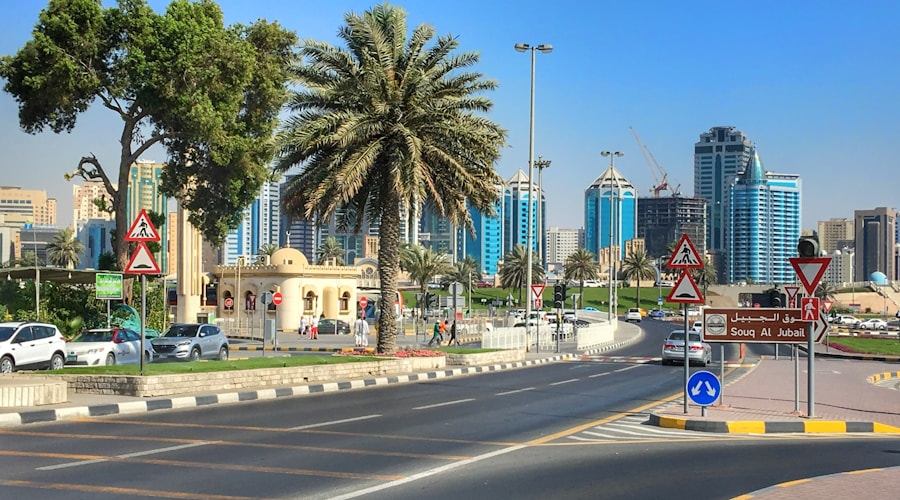
Dubai’s skyline is as dazzling as ever. The malls are packed. The beaches are full. On the surface, this city has bounced back completely. But look closer, and the picture gets complicated. Recent reports from CNN and the BBC reveal a tourism sector still reeling from regional instability. The war in Iran has reshaped travel patterns, scared off some visitors, and forced hotels and tour operators to rethink everything. For travellers, this means a Dubai that looks the same but feels different. Fewer crowds in some spots. Better deals in others. And a quiet tension beneath the usual buzz. If you’re planning a trip in 2025, you need to understand what’s really happening here.
The numbers tell a strange story. Dubai welcomed over 17 million international visitors in 2024, nearly matching pre-pandemic highs. But those figures hide a shift in who’s coming and why. Before the Iran conflict escalated, Dubai was a safe haven for regional travellers — Saudis, Kuwaitis, Omanis — who filled five-star resorts year-round. Many have stayed away. European and American tourists have filled some of the gap, but not completely. The Jerusalem Post recently noted how the war is reshaping Dubai’s tourism future, pushing the city to court new markets aggressively. This isn’t a crisis. But it is a recalibration. And for visitors, it creates opportunities that didn’t exist two years ago.
So what will you actually experience on the ground? First, don’t expect empty hotels. Popular areas like Dubai Marina, Downtown, and Palm Jumeirah remain busy. But you might notice shorter wait times at top restaurants and more availability on last-minute bookings. Hotels are slashing rates to attract cautious travellers. The Banyan Tree just launched an exclusive summer staycation package with beachfront luxury, spa credits, and gourmet dining — a clear sign that properties are fighting for your business. Tourist attractions are offering bundled deals. Even on peak weekends, you can snag a table at Nobu or book a desert safari without weeks of planning. The glitz is still there. It’s just more accessible.
Smart travellers should rethink their strategy. Instead of booking the obvious five-star chain on Sheikh Zayed Road, consider newer neighbourhoods like Dubai Creek Harbour or Jumeirah Village Circle. They offer better value and a more local feel. Also, time your visit for shoulder seasons: late September through November, or February through April, when temperatures are bearable and prices drop. If you’re a GCC resident, take advantage of the exclusive deals targeting you — resorts are rolling out red carpets for regional visitors. And avoid the impulse to book everything six months ahead. With hotels offering flexible cancellations and last-minute discounts, you can play it loose and save money.
Practical tip: Use a price-tracking tool like Google Hotel Price Alerts or Trivago’s rate monitor for Dubai properties starting 60 days before your trip. Prices fluctuate wildly based on regional news cycles, and you can often grab a five-star room for under $150 a night by booking just 10 to 14 days out.