Seychelles in 2026: Why This Island Paradise Is Booming While Others Struggle
Forget the doom and gloom in global travel. Seychelles is having a moment. While other destinations scramble to recover from ongoing air travel disruptions and shifting tourist patterns, this Indian Ocean archipelago is riding a wave of unprecedented growth. The numbers are striking: tourist arrivals have surged, revenue is climbing, and the country is now grouped with Morocco, Egypt, and South Africa as one of Africa's fastest-recovering tourism markets. What's driving it? A combination of new flight routes, pent-up demand for luxury escapes, and a savvy government that kept borders open smartly during the chaos. For travelers, this means one thing: Seychelles in 2026 is buzzing, beautiful, and busier than ever. The stakes? You need to plan ahead or risk missing out on the magic.
This boom didn't happen by accident. Seychelles has been quietly building its reputation as a safe, exclusive haven. During the pandemic, it was one of the first countries to welcome vaccinated tourists without quarantine. That move paid off. Now, with the Middle East conflict rerouting travelers away from traditional hubs like Dubai and Doha, Seychelles is a clear beneficiary. The latest news: Aeroflot will resume direct flights from Moscow starting July 8, 2026, joining a growing list of carriers serving the islands. That's huge. It opens up the Russian market, which historically loves tropical beach destinations. Combined with existing routes from Europe, the UAE, and South Africa, Seychelles is suddenly more accessible than ever. But accessibility brings crowds.
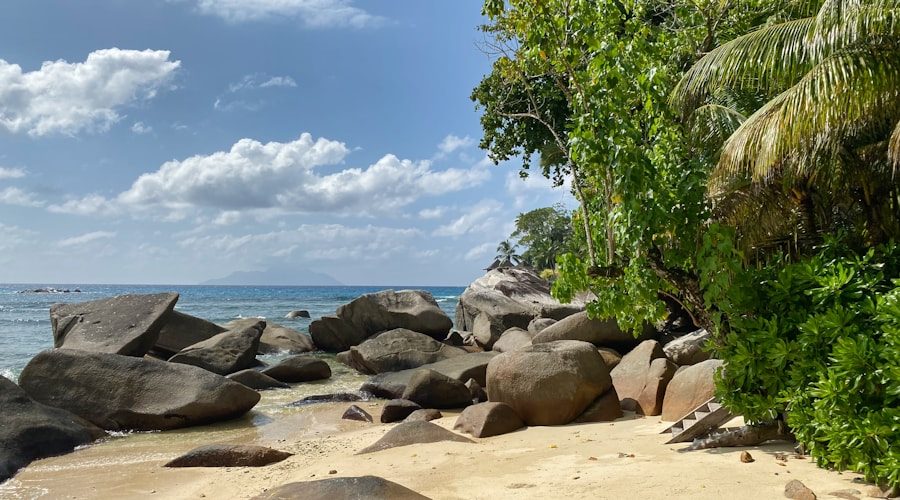
What will you actually experience on the ground? Picture this: Mahé's main island feels lively but not chaotic. The capital Victoria still has that sleepy colonial charm, but the waterfront restaurants are packed. Praslin and La Digue remain quieter, though the famous Anse Source d'Argent beach now has a short queue for that perfect photo. Hotels are reporting near-full occupancy, especially at luxury resorts like the Four Seasons and Raffles. Prices? They've crept up. A simple beachside bungalow now costs what a mid-range hotel did two years ago. But the service is impeccable, the water is still that impossible turquoise, and the snorkeling is world-class. The real change is in the air: there's a palpable energy, a sense that Seychelles has 'arrived' as a year-round destination.
Smart travelers should adjust their approach. First, book flights and accommodation at least six months in advance for peak seasons (December-January and July-August). Second, consider the outer islands like Desroches or Alphonse for true seclusion. They're pricier but offer empty beaches and private transfers. Third, don't overlook the off-season. May and November are sweet spots: fewer crowds, lower prices, and still great weather. Fourth, embrace local transport. The public buses on Mahé are cheap, reliable, and give you a real taste of island life. And here's a counterintuitive tip: skip the popular lunch spots on La Digue. Instead, ask your guesthouse host for the best local takeaway joint. You'll eat fresher fish for half the price.
Practical tip: Download the Seychelles Travel Authorization app before you fly. It's mandatory for all visitors, and processing can take 24 hours. Do it three days before departure, not the night before. Also, carry cash in small denominations — many smaller shops and taxis don't accept cards, and ATMs run out of Seychelles rupees on weekends.