Seychelles in 2026: Why the Islands Are Redefining Tourism Success
Seychelles is quietly rewriting the rules of island tourism. While global headlines chase chaos—visa waivers in Sri Lanka, conflicts in the Middle East, airline disruptions—these 115 granite and coral islands are enjoying their most sustained boom ever. International arrivals jumped 4% globally in 2025, but Seychelles outpaced that figure by a significant margin. The BBC recently flagged that tourism is booming in unexpected places, and Seychelles fits that description perfectly. Travelers are ditching overcrowded European hotspots for the Indian Ocean's quiet star. The result? A destination that feels both exclusive and accessible, if you know when and how to go. For anyone tired of fighting crowds for a sunset photo, Seychelles in 2026 offers something rare: actual solitude, with world-class infrastructure to match.
This isn't a fluke. Seychelles has been methodically building its appeal for years. The government invested heavily in sustainable tourism long before it was trendy—limiting visitor numbers, protecting marine parks, and requiring eco-certification for new resorts. That patience is paying off now. While other destinations scramble to manage overtourism, Seychelles controls its growth. The 2026 projections show arrivals stabilizing at a manageable 400,000 visitors per year, far below the million-plus numbers that strain places like Bali or Santorini. That means higher quality experiences, less beach competition, and a genuine sense that you're somewhere special. The country also just announced streamlined entry procedures and upgraded airport facilities, removing friction points that once frustrated travelers. This is a destination that learned from others' mistakes.
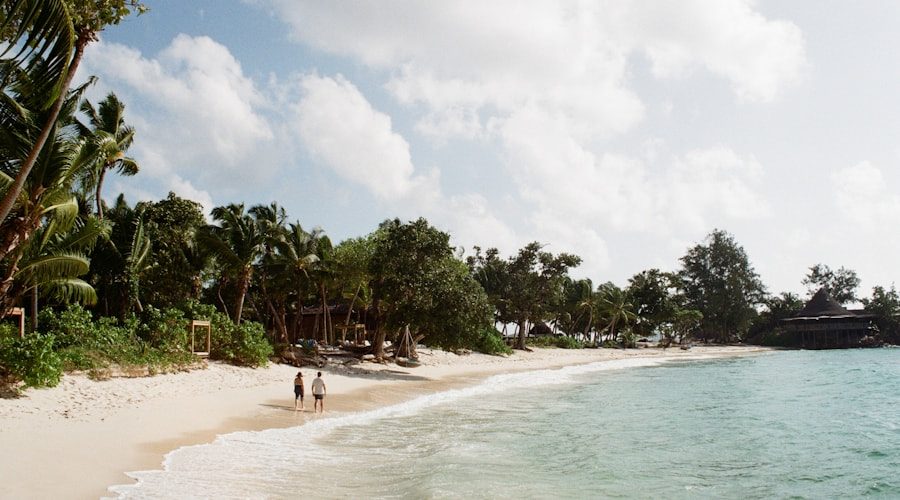
On the ground, the changes are tangible. Praslin's famous Anse Lazio beach still has space to spread your towel at noon. La Digue's iconic giant tortoises wander without a selfie-stick scrum around them. The new direct flights from major European hubs—including increased capacity from Paris and London—cut travel time and cost. Hotels are offering longer-stay packages at genuine discounts, not the usual inflated 'deals.' The Mahé market feels local again, not like a tourist trap. Even the Vallée de Mai, home to the legendary coco de mer palm, maintains a hushed atmosphere that other UNESCO sites lost years ago. Smart travelers will notice that service standards have improved too: guides are better trained, transfers run on time, and the food scene has evolved beyond coconut curry and grilled fish (though those remain excellent).
Here's the catch: the boom means you need a strategy. Book accommodations at least six months ahead for peak season (May to October). Consider visiting in the shoulder months—April or November—when weather is still excellent but prices drop by 30%. Skip the overhyped private island resorts on Mahé's northwest coast; instead, base yourself on Praslin or La Digue for better value and authenticity. Use the island-hopping ferry system rather than expensive domestic flights. And here's a counterintuitive move: avoid Saturday arrivals. That's when weekly flight schedules dump the largest crowds into Mahé. Arrive on a Tuesday or Wednesday for emptier immigration lines and lower car rental rates. The Seychelles rupee is stable, so don't bother exchanging currency beforehand—ATMs are reliable and give fair rates.
Practical tip: Download the Seychelles Tourism Board's official app before you arrive. It shows real-time beach crowd levels, ferry schedules, and park entry fees—plus a 'secret spots' section locals use. This single tool will save you hours of guesswork and keep you ahead of every other traveler.