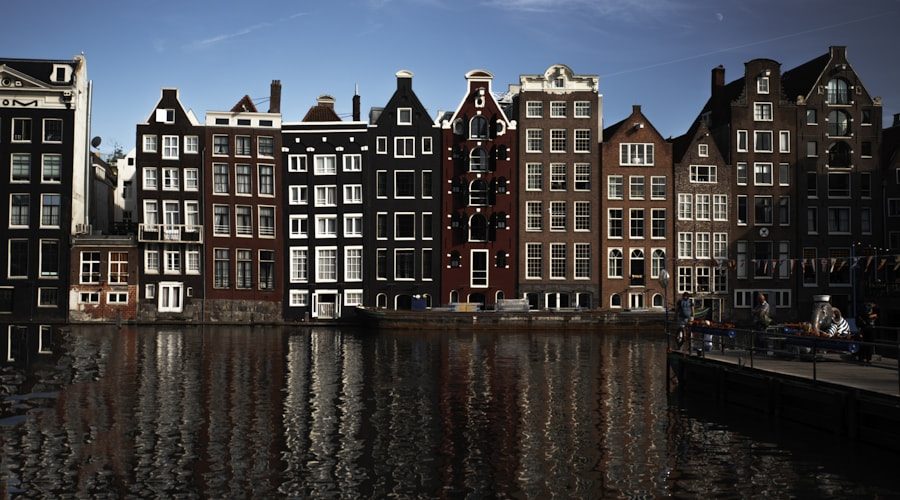
Amsterdam Hits Tourists Where It Hurts: 20% Tax and Cruise Ban in 2026
Amsterdam just drew a line in the cobblestones. The city announced it will push its tourist tax to a staggering 20% of the room rate by 2026, and it's shutting down the central cruise terminal entirely. For travellers, this changes the game. That charming canal-side hotel just got a lot more expensive. And if you were planning to sail into the city on a mega-ship, that option disappears. This isn't a subtle nudge. It's a clear message: Amsterdam wants fewer, higher-spending visitors. The stakes are simple. Your 2026 trip to the Netherlands will cost more, require more planning, and demand a different approach if you want to experience the city without feeling like you're subsidising its anti-tourism campaign.
The Netherlands has been wrestling with overtourism for years. Amsterdam, the crown jewel, has borne the brunt. We've seen crackdowns on party boats, restrictions on new hotels, and campaigns to chase away rowdy stag parties. But this is different. A 20% tax is the highest in Europe, and it's a direct financial deterrent. Meanwhile, the cruise terminal closure — moving ships to a remote port — targets the day-tripper model that floods the city centre with thousands of visitors at once, spending little and leaving their waste behind. This aligns with a broader European trend. Venice charges an entry fee. Barcelona limits cruise passengers. The Netherlands is now leading the charge, not following.
So what does this actually feel like on the ground? Book a €200 hotel room in 2026, and you'll pay an extra €40 just in tax. That's a dinner, or a museum ticket, gone. The cruise ban means your ship will dock in IJmuiden, a port 40 minutes from central Amsterdam. Add a bus or train ticket to your day, and subtract hours from your sightseeing. The city hopes this pushes travellers toward longer, deeper stays. They want you to visit the Rijksmuseum, not just take selfies on the Damrak. They want you to sleep in a local neighbourhood, not a floating hotel. The practical impact is clear: short, cheap trips become less viable. Quality over quantity is now the official policy.
Smart travellers should pivot, not panic. First, book accommodations outside the Canal Ring. Neighbourhoods like De Pijp, Oost, or Noord offer lower room rates (and thus lower tax bills) and a more authentic experience. You'll eat where locals eat, and you'll skip the overpriced souvenir shops. Second, consider visiting in shoulder season — April or October. Fewer crowds, lower demand, and hotels often absorb part of the tax to stay competitive. Third, if you love cruises, switch to a river cruise. Smaller ships can still dock in the city centre, and they align with the city's sustainability goals. Finally, use Amsterdam as a base for day trips to Haarlem, Utrecht, or Leiden. These cities offer Dutch charm without the premium price tag.
Practical tip: Book your 2026 Amsterdam hotel before December 2025. Many properties will lock in current rates for advance reservations, letting you dodge the full 20% tax increase. Check cancellation policies carefully — flexible rates may still adjust, but non-refundable bookings are your best hedge against the hike.