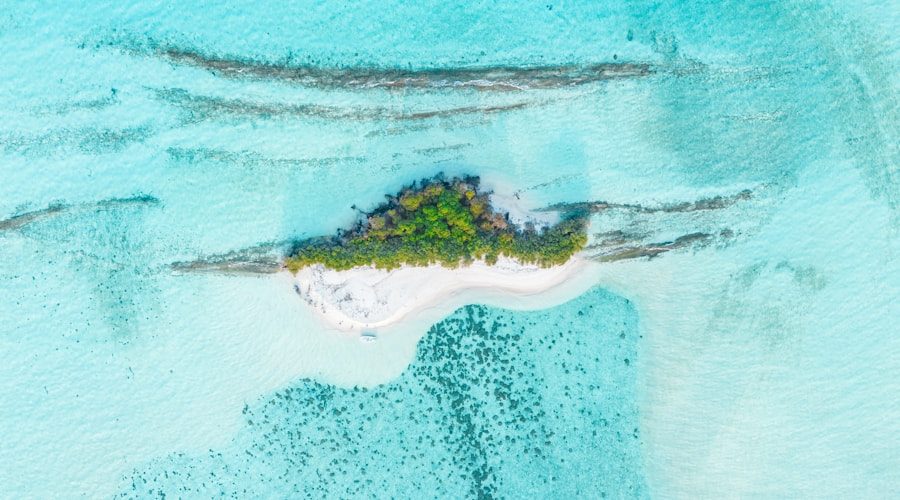
Maldives in 2026: Why Smart Travelers Are Rethinking Their Island Escape
A quiet revolution is underway in the Maldives. After years of nonstop hype, a growing number of travelers are saying goodbye to the iconic island nation in 2026. The reasons are layered. Geopolitical tensions in the Middle East have rattled regional travel patterns. New visa requirements are adding friction. And the Maldives itself is changing — fast. Private jet arrivals are actually rising, even as overall tourist numbers dip. That tells you something. The Maldives is splitting into two worlds: one for the ultra-wealthy, and another for everyone else. For the average traveler, the dream of sipping coconut water over crystalline waters now comes with a side of sticker shock and bureaucratic headaches. The stakes are real. Your dream vacation might cost more, deliver less, or simply feel different than you imagined.
This isn't a sudden collapse. Tourism in the Maldives has always been a delicate dance. The country relies heavily on a handful of source markets — China, India, Russia, and Europe. When any of those markets hiccup, the whole system wobbles. Recent geopolitical shifts have sent ripples through the industry. The war in the Middle East, for instance, disrupted flight routes and traveler confidence. Meanwhile, the Maldives government introduced new visa categories to diversify its visitor base. They're trying to attract longer-stay digital nomads and high-net-worth individuals. But the result is a more fragmented experience. Resorts are doubling down on luxury. Local guesthouses are struggling to compete. The gap between the haves and have-nots is growing — and you can feel it on the ground.
So what will you actually encounter if you visit the Maldives in 2026? First, prepare for higher prices across the board. Resorts have raised rates to offset declining occupancy. The all-inclusive package you once booked for $3,000 might now run $4,500. Second, expect more red tape. New visa categories require additional documentation, especially for longer stays. Third, brace for a different crowd. With private jet arrivals climbing, you'll see more superyachts and fewer backpackers. The vibe is shifting from laid-back paradise to curated luxury. But here's the good news: the natural beauty remains untouched. The water is still impossibly blue. The coral reefs still teem with life. You just have to work harder — and pay more — to access it.
Smart travelers are adapting. Instead of booking the famous overwater bungalow on a mega-resort island, consider a local guesthouse on a inhabited island. You'll pay a fraction of the price and get a more authentic experience. Eat at local cafés. Fish with the islanders. Sleep under a thatched roof without the five-star markup. Another workaround: travel during shoulder season (May to November). The weather is still good, but prices drop significantly. Also, look into the new Digital Nomad Visa if you can work remotely. It lets you stay for up to a year, turning a vacation into a slow-living adventure. And don't overlook the Maldives' lesser-known atolls — like Haa Alif or Gaafu Dhaalu — where crowds thin out and prices stay reasonable. The key is to stop chasing the Instagram version and start building your own.
Practical tip: Book your seaplane or domestic flight transfers at least 45 days in advance. They sell out fast in peak season, and last-minute bookings can cost 40% more. Lock in your transfer before you confirm your resort.