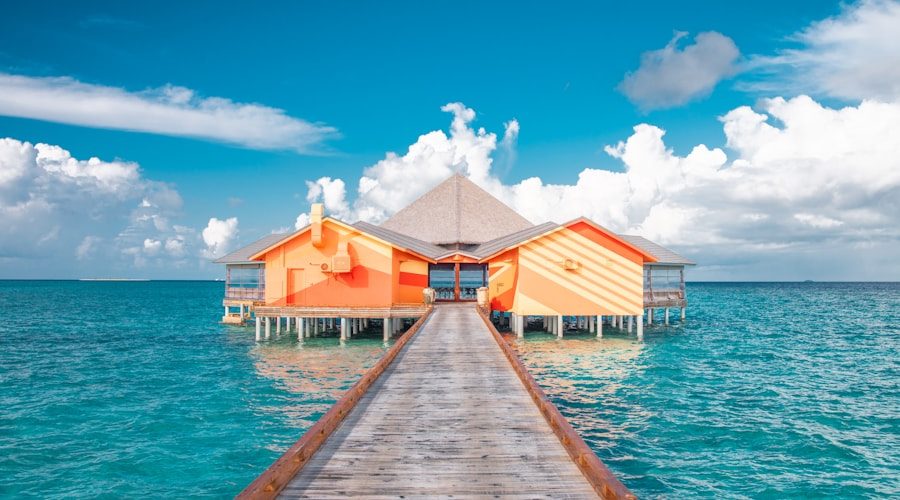
Maldives 2026: Why Travelers Are Leaving and What Smart Visitors Do
Something is shifting in the Maldives. For years, this string of coral islands was the ultimate bucket-list destination — overwater villas, turquoise lagoons, and that instant 'paradise' feeling. But in 2026, a growing number of seasoned travelers are walking away. Geopolitical tensions in the Middle East have rattled flight routes, and a new visa system introduced by the Maldivian government aims to stabilize tourism after a slump. Yet the real story is subtler. Private jet arrivals are actually rising — meaning the ultra-wealthy still come — while mid-range tourists are reconsidering. The Maldives is becoming a destination of extremes. If you're planning a trip, the stakes are real: you might pay more for less, unless you know how to play it differently.
Let's rewind. The Maldives has long relied on a delicate balance. Its economy is almost entirely tourism-driven, with resorts occupying entire islands and guests flying in from Europe, China, Russia, and India. But recent years have been rocky. A geopolitical slump in 2025 hit arrivals hard, especially from key markets like China and Russia. Then came the Middle East conflict, disrupting connecting flights and scaring off cautious travelers. The government responded with new visa categories — including a digital nomad visa and a long-stay option — hoping to lure remote workers and repeat visitors. But the numbers tell a complicated story. Overall arrivals are recovering slowly, up just 2.6% after the slump. The real growth is in the luxury segment. Meanwhile, mid-budget travelers are voting with their feet.
So what does this mean for you on the ground? First, the experience is becoming more polarized. At high-end resorts like Soneva Jani or the St. Regis, nothing has changed — flawless service, private butlers, champagne on arrival. But for the rest, you'll notice tighter availability, higher room rates, and fewer flight options. The new visas are mostly aimed at digital nomads (one-year permits) and long-stay tourists (90 days), but they require proof of accommodation and income. That filters out spontaneous travelers. On the plus side, resorts are offering better value for longer stays — five nights for the price of four has become common. The water is still impossibly clear. The coral reefs are still stunning. But the price tag now comes with more strings attached.
Here's where you can outsmart the system. Instead of booking a single resort for seven nights, split your stay between a guesthouse on a local island and a resort. Guesthouses cost a fraction of resort prices — think $80 a night versus $800 — and give you genuine cultural immersion. You'll eat with local families, visit uninhabited sandbanks, and snorkel with manta rays for a fraction of the cost. Then move to a resort for the last two nights to get your overwater villa fix. This combo saves serious money and gives you two completely different Maldivian experiences. Another pro move: fly into Gan International Airport instead of Malé. Gan is in the south, less crowded, and closer to untouched atolls like Addu and Fuvahmulah. Flights are cheaper too.
Practical tip: Book your seaplane transfers directly with the airline (Maldivian or Trans Maldivian Airways) instead of through your resort. This can save up to 40% on transfer costs — often the most expensive part of a Maldives trip after accommodation. Always confirm the seaplane schedule before booking flights.