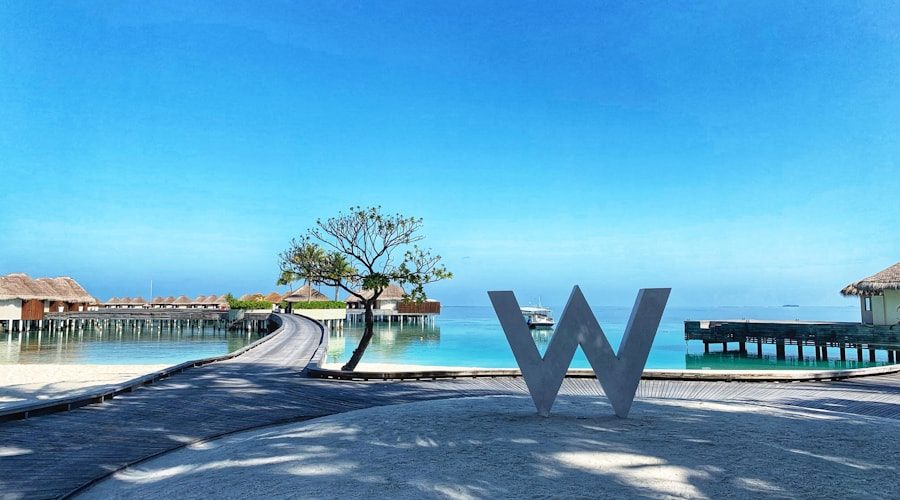
Maldives in 2026: Why Smart Travelers Are Rethinking Paradise
The Maldives has long been the poster child for tropical perfection — crystal water, overwater bungalows, and that irresistible promise of total escape. But in 2026, something unexpected is happening. More travelers are saying goodbye to this Indian Ocean paradise, and it's not just because of the price tag. A combination of geopolitical tension, new visa restrictions, and a surge in private jet traffic is reshaping who visits and why. While overall tourist numbers are dipping, luxury arrivals are climbing. The result? A two-tier destination is emerging: one for the ultra-wealthy, and another that feels increasingly out of reach for the average vacationer. This shift matters because the Maldives has always sold itself as a dream destination for everyone. Now that dream is quietly changing.
The backdrop to this shift is complex. The ongoing Middle East conflict has hit tourism hard — the Maldives relies heavily on visitors from that region. In response, the government rolled out new visa categories in 2025, hoping to attract longer-stay digital nomads and remote workers. But the move has had mixed results. Meanwhile, Russia, China, the UK, and India have stepped up to fill the gap, with Russia alone sending a surge of travelers in May 2026. Yet the numbers tell a sobering story: overall arrivals are down, even as private jet landings rise. The gap between mass tourism and ultra-luxury travel is widening. For context, the Maldives once welcomed backpackers and honeymooners on a budget. Today, that demographic is shrinking.
So what will you actually experience on the ground in 2026? If you’re flying economy, expect fewer flight options and higher seat prices. The resorts that once offered affordable packages are pivoting toward exclusive, high-spend clientele. You'll see more private villas with personal butlers and fewer all-inclusive deals. On the plus side, the islands are less crowded. Popular spots like Malé, Maafushi, and the North Malé Atoll feel more spacious. Snorkeling spots that once felt like underwater highways are quieter. But the trade-off is real: the budget-friendly guesthouses that made the Maldives accessible are struggling to survive. The vibe is shifting from 'everyone's paradise' to 'paradise for the few.'
Here’s what smart travelers should do differently. First, book early — at least six months out — to lock in reasonable rates before resorts pivot to dynamic pricing. Consider island-hopping via public ferry instead of speedboat transfers; it’s slower but cuts costs by 70%. Look at local guesthouses on inhabited islands like Thulusdhoo or Ukulhas, where you can still find rooms under $100 a night. These islands offer authentic Maldivian life and excellent snorkeling without the resort markup. If you’re set on a luxury stay, target shoulder months (May-June or September-October) when private jet traffic dips and resorts offer off-peak discounts. And always check if your resort has a 'local island' nearby — many offer day passes for a fraction of the price.
Practical tip: Pack reef-safe sunscreen and a reusable water bottle — many local islands now ban single-use plastics, and resort prices for these items are eye-watering. Also, download the Maldives' new 'E-Visa' app before you travel; the old paper visa system is being phased out by late 2026, and digital processing is faster but requires a working smartphone.