Maldives in 2026: Why Travelers Are Leaving and What’s Changing
The Maldives has long been the poster child for paradise. But in 2026, a quiet exodus is underway. Travelers are saying goodbye to these Indian Ocean islands, and not just because of the price tag. A combination of factors — from regional instability to shifting travel trends — is reshaping who visits and why. The Middle East conflict has hit hard, cutting off a key source of tourists. In response, the Maldives government rolled out new visa schemes to lure back visitors from Russia, China, the UK, and India. But for the average traveler, the question is simpler: is the Maldives still worth it? The answer depends on what you’re looking for. If you crave overwater villas and flawless service, yes. But if you want value, authenticity, or ease of access, 2026 might be the year to look elsewhere.
The numbers tell a complicated story. After months of losses tied to the Middle East war, Maldives tourism finally rebounded in May 2026. But the recovery is uneven. Luxury resorts are filling up fast, thanks to wealthy travelers from Russia and China. Meanwhile, mid-range and budget properties are struggling. This isn’t entirely new. The Maldives has always been a premium destination. But the gap between the ultra-rich and everyone else is widening. The new visa policies — including longer stays and multiple-entry permits — are designed to boost numbers. But they also signal desperation. For decades, the Maldives relied on a steady stream of European and Middle Eastern tourists. Now, those markets are volatile. The country is pivoting hard to Asia and Eastern Europe, and that shift is changing the atmosphere on the islands.
So what does 2026 actually feel like on the ground? If you’re staying at a high-end resort, not much has changed. The water is still impossibly blue, the service is still impeccable, and the price is still astronomical. But venture outside the resort bubble, and you’ll notice differences. Local islands are quieter. Some guesthouses have closed. The famous Male-Hulhumale ferry now runs less frequently. And the vibe is more cautious. The tragic cave diving accident that killed five Italian tourists in early 2026 has put a spotlight on safety standards. Dive operators are under scrutiny. The government has promised stricter regulations, but enforcement remains patchy. For travelers, this means doing your own homework is more important than ever. Don’t assume that a five-star resort equals five-star safety.
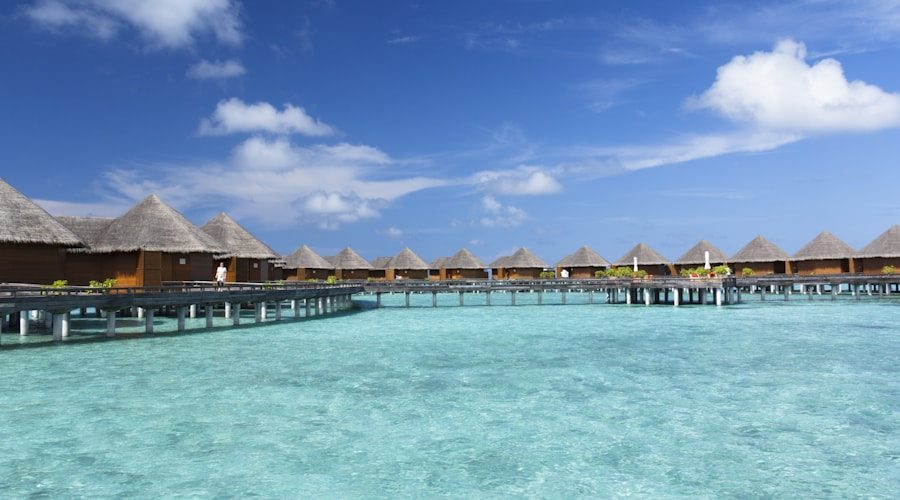
Smart travelers in 2026 are adjusting their approach. First, consider timing. The rebound in May means peak season is now less predictable. Book early for guaranteed availability, but also watch for last-minute deals as resorts scramble to fill rooms. Second, diversify your itinerary. Instead of spending 10 days on one resort island, split your time between a resort and a local guesthouse. You’ll get a richer experience and save money. Third, think about alternatives. The Maldives isn’t the only place with turquoise water and white sand. The Seychelles, Fiji, and even parts of Indonesia offer similar beauty with fewer headaches. And if you do go to the Maldives, skip the overwater villa — it’s overpriced and often less private than a beach bungalow. Spend that money on excursions instead.
Practical tip: Book your domestic seaplane or speedboat transfer directly with the resort, not through a third-party site. Resorts often offer free or discounted transfers when you book accommodation directly, saving you $200–$600 per person. Plus, you’ll get priority scheduling and better cancellation terms.