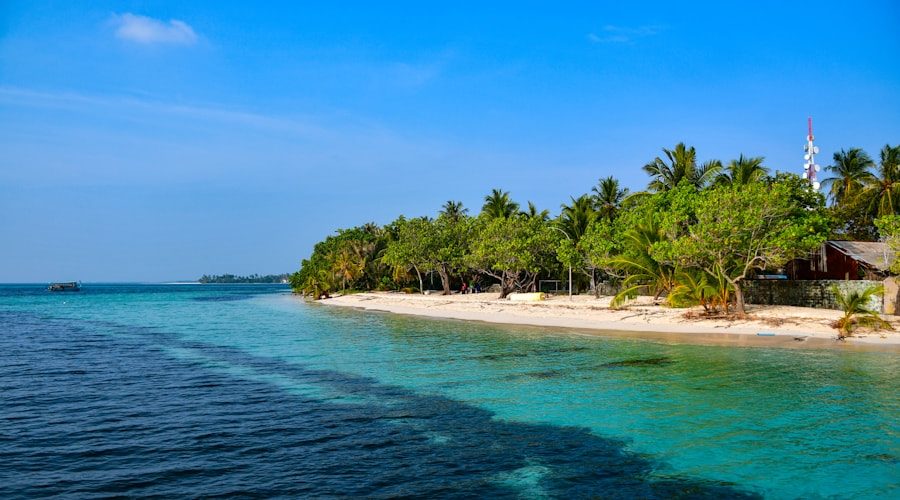
Maldives in 2026: Why Travelers Are Leaving and What It Means for You
A quiet shift is rippling across the Maldives. After years of nonstop growth, tourist numbers have dropped 6 percent in 2026. Airspace closures linked to regional tensions are rerouting flights. Rising costs are making those overwater bungalows feel less like a dream and more like a luxury tax. And here’s the twist: private jet arrivals are actually climbing. That means fewer budget-conscious visitors and more ultra-wealthy travelers filling the resorts. For the rest of us, the Maldives is becoming harder to reach and more expensive to enjoy. But this downturn also cracks open a door for those who plan smartly.
The Maldives has long been the poster child for tropical escapism. White sand, turquoise water, Robinson Crusoe vibes. But its reliance on long-haul air travel makes it vulnerable. Recent Middle East conflicts have forced airlines to avoid certain air corridors, adding hours to flight paths. Fuel costs spike. Ticket prices follow. Meanwhile, competing destinations like the Philippines and Indonesia have improved their resort infrastructure without the same geopolitical headaches. The Maldives isn't losing its magic—it's losing its accessibility. And for a country where tourism accounts for nearly 30 percent of GDP, this decline is a serious signal.
So what does this mean for your actual trip? Expect fewer last-minute deals. Resorts that once offered "stay 7, pay 5" promotions have pulled back. Occupancy rates have dipped, but luxury properties are holding firm—they're chasing a different clientele now. Speedboat transfers still run, but domestic flight schedules have tightened. You'll find more empty lounges at Velana International Airport, which isn't necessarily bad. Less competition for sunset dinners, spa slots, and snorkeling excursions. But if you're hoping for a bargain-priced overwater villa, you'll need to dig deeper and book further ahead.
Smart travelers should pivot their strategy. First, look beyond the famous atolls. Baa Atoll and South Male Atoll offer similar beauty with lower price tags. Consider guesthouses on local islands instead of private resort islands—they cost a fraction and provide richer cultural experiences. Travel in shoulder season (April-May or September-October) when weather holds but crowds thin. Use a travel agent who specializes in the Maldives; they often have access to unpublished rates. And if you're flexible, watch for new resort openings—they frequently launch with introductory prices that undercut established competitors.
Practical tip: Book your domestic seaplane or speedboat transfer before your flight. Many travelers arrive and find all seats sold out, forcing an overnight stay near the airport. Reserve transfers at least two weeks ahead—this simple step saves you 12 hours of waiting and up to $200 in unplanned hotel costs.