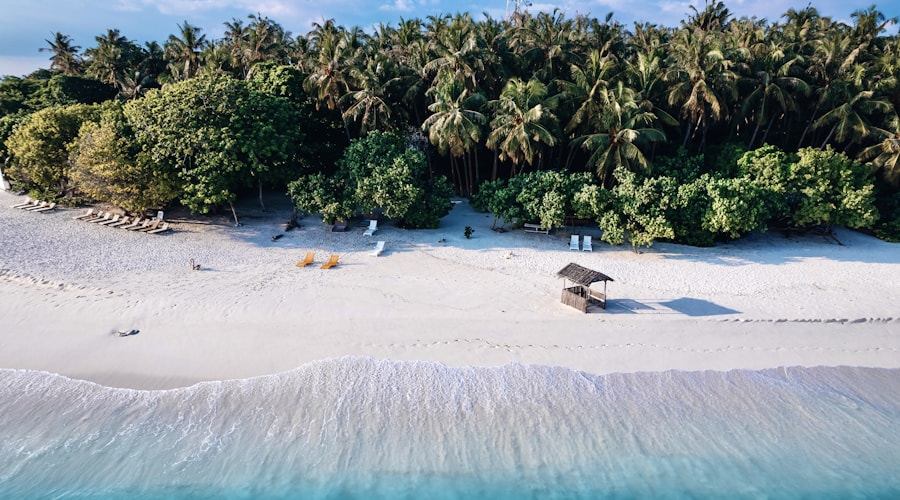
Maldives 2026: Why Smart Travelers Are Walking Away from Paradise
The Maldives has long been the poster child for tropical escapism. But as 2026 approaches, a curious shift is underway. More travelers are saying goodbye to these iconic islands — and it's not just about the price tag. Recent reports show overall tourist numbers dipping, even as private jet arrivals climb. The divide is widening. Ultra-wealthy visitors still flock to overwater villas, but mid-range travelers are feeling squeezed. New visa rules, regional instability from conflicts in the Middle East, and a growing sense that the experience no longer matches the cost are all pushing people to look elsewhere. For the first time in years, the Maldives is facing a real reckoning. And for the average traveler, that raises an urgent question: is it still worth it?
This isn't a sudden collapse. It's a slow erosion. For decades, the Maldives marketed itself as an exclusive paradise accessible to anyone willing to save up. But the math has changed. Resort prices have climbed steeply since the pandemic, while service quality hasn't always kept pace. Meanwhile, destinations like Zanzibar, the Philippines, and the Greek islands offer similar crystalline waters at a fraction of the cost. Add to that the Maldives' vulnerability to climate change — rising sea levels threaten many resorts directly — and the picture gets complicated. The islands are also heavily dependent on imported goods, which drives up everyday costs. A $10 beer isn't a flex anymore. It's a frustration.
On the ground, the changes are tangible. The famous 'one island, one resort' model still exists, but it feels less special. Many resorts now pack more villas, more staff, and more guests into the same footprint. You'll wait longer for jet ski rentals. Dinner reservations fill up fast. The quiet luxury that once defined the Maldives is being replaced by a polished, crowded version of itself. Even the local island experience — visiting Male or Maafushi — has become more curated, with souvenir shops replacing genuine interactions. For the first time, travelers are reporting that the Maldives feels more like a production than a place.
Smart travelers are adapting. Instead of booking the headline resort on a whim, they're researching alternative atolls. The southern atolls like Addu or Huvadhoo remain less developed and far quieter. Others are choosing guesthouses on local islands instead of resorts, cutting costs by 60% while still getting world-class diving and beach access. The key is timing. Shoulder seasons — April to May and September to November — offer better rates and fewer crowds. And with new visa options rolling out, some savvy travelers are combining a Maldives stay with a stopover in Sri Lanka or India, breaking up the trip and reducing overall spend. The trip can still be magical — but only if you approach it with eyes wide open.
Practical tip: Book a guesthouse on a local island like Thulusdhoo or Dhigurah instead of a resort. You'll pay $80–150 per night instead of $800+, eat fresh local food, and still have direct access to world-class reefs. Use the public ferry system — it's reliable and costs pennies.