Japan 2026 Travel Shock: Tourist Tax Triples, Prices Surge, New Rules
Japan has always been a destination that rewards the prepared traveler. But 2026 is hitting visitors with a triple shock. First, the international tourist tax jumps from ¥1,000 to ¥3,000 starting July 1. That's an extra $20 USD on every flight out. Second, prices across the board — from ramen bowls to bullet train tickets — have surged, leaving even seasoned visitors stunned. Third, Kyoto is rolling out on-the-spot fines for tourists who photograph geisha without permission or wander into private alleys. The days of cheap, carefree travel to Japan are over. The country is rebalancing: fewer visitors, higher spend per person, and stricter rules. For travelers, this changes the math completely.
These shifts didn't happen overnight. Japan has been quietly testing the limits of overtourism since 2019, when record 31 million visitors overwhelmed cities like Kyoto and Tokyo. The pandemic pause gave officials time to rethink. Now they're acting. The tourist tax hike funds better crowd management, infrastructure upgrades, and preservation of cultural sites. Kyoto's new fines target the 20% of visitors who harass maiko apprentices. Meanwhile, the weak yen that made Japan a bargain in 2023-2024 has strengthened, pushing costs higher naturally. China's visitor numbers have dropped sharply, but other markets — especially the US, Australia, and Southeast Asia — are filling the gap. The result: Japan is pivoting from quantity to quality tourism.
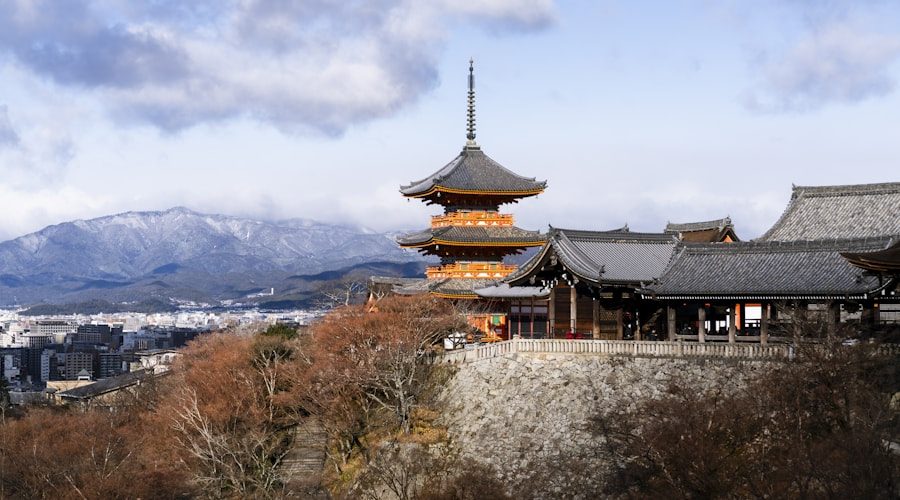
On the ground, the experience is changing in real ways. You'll pay more for everything. A bowl of tonkotsu ramen in Tokyo that cost ¥800 in 2023 now runs ¥1,200. A hotel room in Kyoto's Gion district that went for ¥15,000 a night is now ¥22,000. The Shinkansen from Tokyo to Osaka has crept up 15% since last year. But here's the upside: attractions are less crowded. Kyoto's Kinkaku-ji temple felt like a train station in 2024; now you can actually breathe. The new fines mean no more tourists blocking narrow streets to snap photos of maiko. Fewer people are coming, but those who do are spending more and behaving better. The vibe is shifting from chaotic to civilized.
Smart travelers are adapting. Book your flights before July 1 to avoid the tax hike — but note that the tax is based on departure date, not booking date. Consider flying into less popular airports: Kansai International (Osaka) instead of Narita, or Fukuoka instead of Tokyo. Stay in neighborhoods just outside the tourist core. In Kyoto, skip Gion and base yourself in Higashiyama or Kitayama. In Tokyo, avoid Shinjuku and try Kichijoji or Koenji. Eat at standing sushi bars in train stations — they're still affordable and authentic. Use a Pasmo or Suica card for everything; cash is no longer king. And always carry ¥10,000 in cash for small shops and temple entry fees. The key is to spend like a local, not a tourist.
Practical tip: Download the official "Japan Travel Guide" app from the Japan National Tourism Organization before you arrive. It lists certified restaurants, real-time crowd levels at major attractions, and alerts you to new local rules — like Kyoto's geisha photography fines or restricted access areas. This one app can save you thousands of yen and a lot of embarrassment.