Italy's 2026 Tourist Crackdown: New Rules Reshape Travel Across Hotspots
Italy just dropped a bombshell for summer 2026 travelers. The country is joining Spain and Greece in a sweeping crackdown on overtourism. New restrictions are hitting popular spots like Venice, Florence, and the Amalfi Coast. Think timed entry slots, limited cruise ship access, and daily visitor caps. This isn't a gentle suggestion — it's enforceable law. Travelers who show up unprepared could face turned-away scenarios at major attractions. The stakes are real. Italy welcomed over 65 million international visitors in 2025, and the infrastructure is groaning. For anyone planning a trip, this means one thing: you can no longer just show up and wing it. The romantic ideal of spontaneous Italian adventures is colliding with hard reality.
This crackdown didn't come out of nowhere. Italy has been struggling with overtourism for years. Venice started charging an entry fee in 2024. Florence banned new short-term rentals in its historic center. The Cinque Terre limited visitor numbers on popular hiking trails. But 2026 marks a dramatic escalation. The difference? Enforcement is now unified and aggressive. Local governments are working together rather than in isolation. The data driving these decisions is stark: in 2025, 84% of Italians used Airbnb or short-term rentals according to Euronews — a staggering figure that shows how deeply tourism has reshaped daily life. Residents are squeezed out of housing markets. Public spaces become tourist bottlenecks. The new rules aim to restore balance, not kill tourism.
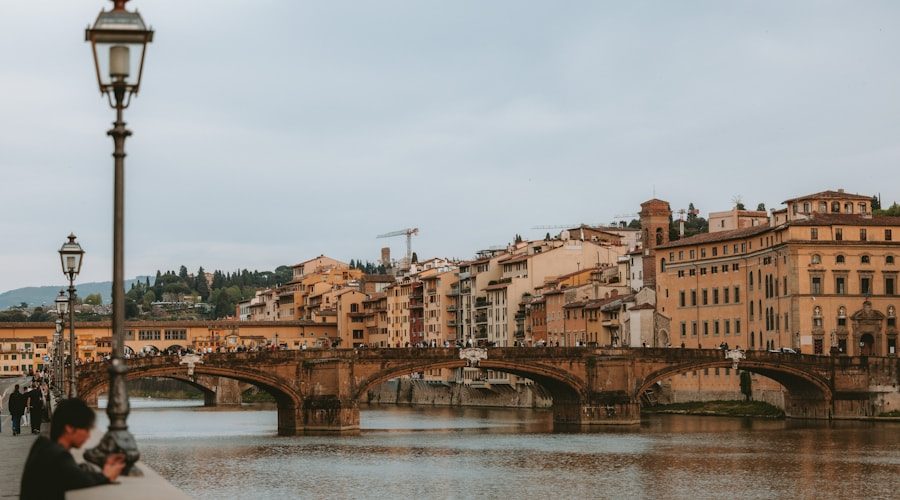
On the ground, things will feel different. Imagine arriving at the Uffizi Gallery only to find all slots booked for the next three days. Picture a Florence piazza so packed you can't move, with police redirecting crowds to less crowded zones. That's the 2026 reality. Venice now requires advance booking for day-trippers, with a steep surcharge for last-minute arrivals. The Amalfi Coast has introduced a reservation system for rental cars in peak months. Rome's Trevi Fountain area limits how long you can linger. But here's the upside: these measures actually improve your experience. Fewer people mean shorter queues, more breathing room, and a chance to actually absorb the atmosphere rather than fighting through selfie sticks.
Smart travelers will adapt quickly. Book major attractions at least three weeks ahead — even for smaller museums. Consider visiting in shoulder seasons: May and September are glorious and far less restricted. Skip the obvious hubs. Instead of Florence, try Lucca or Bologna. Instead of the Amalfi Coast, explore Puglia's whitewashed towns or Sicily's less-hyped beaches. Use Italy's excellent regional trains to reach smaller cities. Many destinations outside the tourist corridor are actively welcoming visitors with open arms. The new restrictions actually create opportunity: they push travelers to discover places that deserve attention. Base yourself in a less central city and day-trip to hotspots — this reduces pressure on housing and gives you a more authentic experience.
Practical tip: Download the official Italian tourism app "Italia.it" for real-time crowd data at major attractions. Check it each morning of your trip. It shows live wait times, capacity alerts, and last-minute ticket availability — information that can save you hours of frustration and help you pivot to less crowded alternatives instantly.