China 2026: Why Smart Travelers Are Choosing It Over Japan and Vietnam
Forget the usual suspects. While tourists pile into Kyoto’s packed temples and Hanoi’s chaotic streets, a quieter revolution is happening in China. The country has quietly overtaken the US, UK, and Germany to become the primary engine of Thailand’s tourism economy. But the real headline? China itself is now the destination to watch. Summer 2026 is shaping up as the season when savvy global travelers finally look past the old narratives. The country offers something rare right now: genuine value without the crowds. While Japan and Vietnam struggle with overtourism and rising prices, China offers a more spacious, more affordable, and frankly more surprising experience. The numbers confirm it — foreign arrivals are surging, and Bloomberg reports China is poised to become the top tourism economy globally. This isn't your parents' China trip.
This shift didn't happen overnight. For years, China was seen as expensive, complicated, and politically tense. Western media focused on strict visa rules and surveillance. But the reality on the ground has changed dramatically. The Chinese government has aggressively simplified visa processes, expanded visa-free transit policies, and invested heavily in tourism infrastructure. Meanwhile, the yen and dong have strengthened, making Japan and Vietnam pricier. China's currency has remained stable, keeping costs low for dollar and euro holders. The result? A country that once felt inaccessible now welcomes visitors with open arms. Hotel rooms in Shanghai cost half of what they do in Tokyo. A meal in Chengdu runs a third of a similar meal in Ho Chi Minh City. The math is simple, and travelers are doing it.
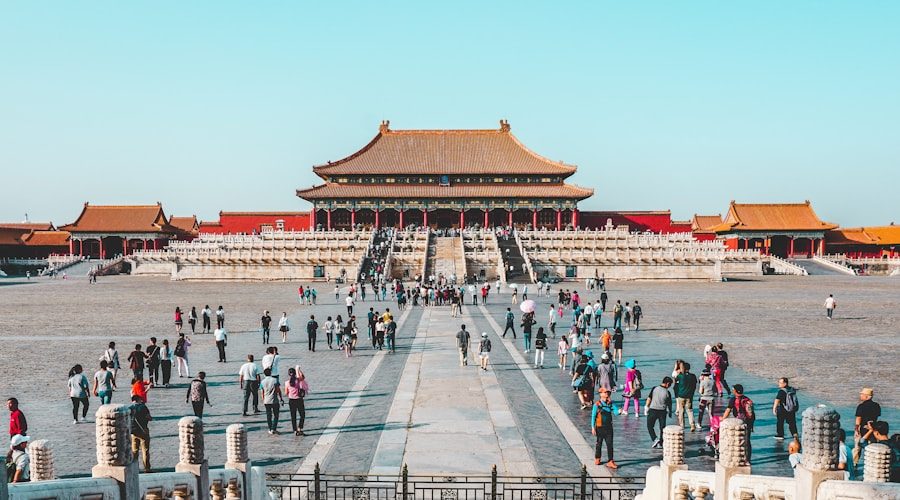
What does this mean for you on the ground? First, expect fewer selfie sticks in your frame. Popular sites like the Great Wall, the Forbidden City, and the Li River still draw crowds, but they’re nothing compared to the human gridlock at Angkor Wat or Shibuya Crossing. Second, the quality-to-price ratio is stunning. You can stay in a four-star hotel in Xi’an for $60 a night. High-speed trains whisk you between cities at 350 km/h for pennies per mile. And the food scene? It’s insane — in the best way. Street stalls in Xi’an serve hand-pulled noodles for $2. Michelin-starred restaurants in Shanghai run $80 for a tasting menu. The service is sharp, the English signage is improving fast, and digital payments (Alipay now accepts foreign cards) have smoothed out the old friction points.
Here’s where you need to be strategic. Don’t just hit Beijing and Shanghai — everyone does that. Go deeper. The real magic is in second-tier cities like Chengdu, Hangzhou, and Kunming. Chengdu gives you pandas, fiery Sichuan cuisine, and a laid-back vibe that feels nothing like the frantic east coast. Hangzhou offers West Lake, tea plantations, and a slower pace. Kunming is your gateway to Yunnan’s rice terraces and minority villages — and it’s barely touched by international tourism. Also, time your trip right. Avoid the first week of October (Golden Week) and Chinese New Year. May and June are sweet spots: great weather, fewer domestic tourists, and lower prices. And download WeChat before you go — it’s essential for messaging, payments, and even restaurant reservations.
Practical tip: Apply for a 10-year multiple-entry visa if you plan to return within the decade. It costs the same as a single-entry visa but lets you hop in and out freely. Start the process at least six weeks before departure, as processing times vary by embassy.