Canada 2025: Why Global Travelers Are Flocking North This Year
Canada is having a moment. In 2025, the country is drawing tourists from around the globe who are tired of overcrowded European hotspots and volatile U.S. travel conditions. The Canadian dollar remains weak against the U.S. dollar and other major currencies, meaning your money goes significantly further here. Hotels, meals, and attractions cost less than they did just a few years ago. But it's not just about the exchange rate. Travelers are also seeking destinations with stable policies and welcoming atmospheres. Canada offers wide-open spaces, reliable infrastructure, and a sense of safety that feels increasingly rare. From the Rocky Mountains to the maritime coasts, the country is positioning itself as the go-to alternative for smart travelers in 2025.
This shift didn't happen overnight. For years, Canada was overshadowed by its southern neighbor. The U.S. dominated North American travel with flashy marketing and iconic landmarks. But recent geopolitical tensions, including the fallout from Trump's 'Liberation Day' tariffs, have soured many international travelers on the U.S. Canadian tourism boards saw an opportunity. They invested in off-season campaigns and niche experiences. Places like Ontario's tourist hot spots are now actively promoting shoulder-season visits. The result? A steady stream of visitors who once might have chosen New York or Los Angeles are now exploring Vancouver, Montreal, or the Cabot Trail. It's a quiet revolution in travel patterns.
On the ground, this means changes visitors will notice immediately. Expect shorter lines at major attractions like Banff's Lake Louise or Toronto's CN Tower. Restaurants in tourist districts are less frantic, giving you better service and more authentic interactions. In popular spots like Niagara-on-the-Lake or Quebec City's Old Town, you'll find a mix of international accents but fewer jostling crowds. The weak dollar also makes luxury experiences accessible. A fine-dining dinner in Vancouver that would cost $150 USD in a comparable U.S. city might run you only $110 CAD. Even national park passes feel like a steal. For Americans, this is the most affordable Canada has been in a decade.
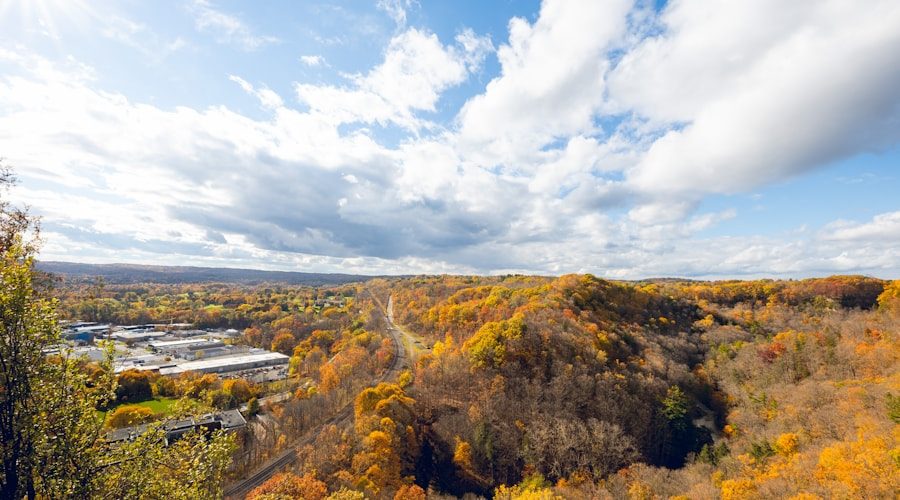
Smart travelers are already adjusting their strategies. Instead of fighting for summer reservations in peak spots like Jasper or Whistler, they're booking spring or fall. The shoulder season offers mild weather, lower prices, and a more relaxed vibe. Consider visiting Quebec City in October when the leaves are changing and the crowds have thinned. Or head to the Yukon in late August for the northern lights without the deep cold. Another tip: use the strong U.S. dollar to splurge on unique experiences like a helicopter tour over the Columbia Icefield or a guided whale-watching trip in Tofino. These are memories that outlast any bargain hotel.
Practical tip: Book your Canadian travel for September or October 2025. You'll avoid peak season crowds, enjoy lower airfare, and still get pleasant weather across most provinces. The fall foliage alone is worth the trip.