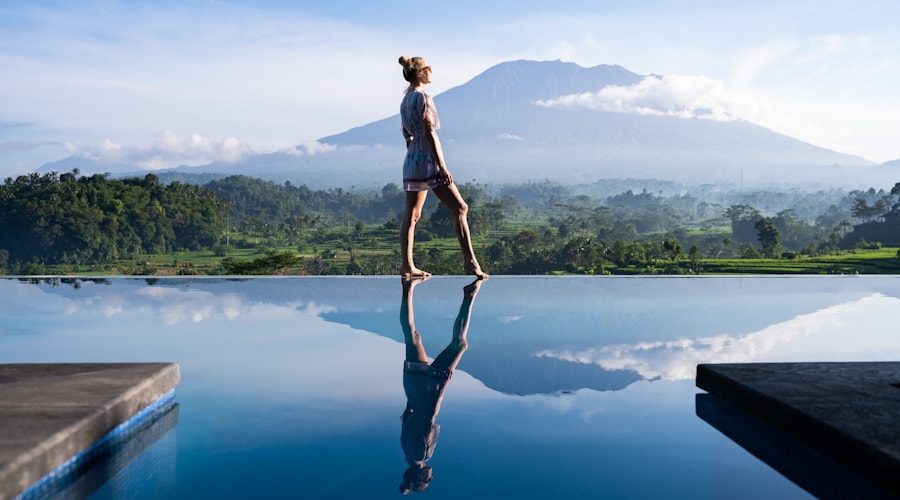
Bali 2026: Record Tourism, Flood Risks, and Smart Travel Strategies
Bali just got crowned the world's best travel destination for 2026 by TripAdvisor. That's huge news for an island that's already on everyone's radar. But here's the twist: the same week the award dropped, severe flooding forced evacuations and thousands of Australian tourists cancelled their trips. Indonesia also reported its highest foreign tourist arrivals since 2020, meaning the island is busier than ever. For travellers, this creates a strange paradox. You want to experience the Bali that just won global acclaim. But you also need to dodge monsoon floods, navigate crowded beaches, and understand how global conflicts are reshaping travel patterns here. The stakes are simple: Bali in 2026 offers incredible rewards, but only if you know when and where to go.
This isn't just another tourism boom. Bali has survived a pandemic, volcanic eruptions, and now the ripple effects of global conflict disrupting travel routes. The island's tourism board has been scrambling with survival strategies, from diversifying source markets to promoting lesser-known regions like North Bali and the eastern coast. TripAdvisor's award is a lifeline, but it also puts a spotlight on the island's infrastructure challenges. Flooding this year was severe enough to prompt evacuations in popular areas like Ubud and parts of the Bukit peninsula. Meanwhile, the surge in arrivals means that Kuta, Seminyak, and Canggu are more congested than ever. The old Bali of empty rice terraces and secret waterfalls is still there — you just have to know where to look.
On the ground, you'll feel the tension between hype and reality. The airport is smoother than pre-pandemic, with new immigration queues and e-visa systems that cut arrival time significantly. But roads in the south are gridlocked between 3 PM and 7 PM. Flooding tends to hit hardest from December to February, particularly in low-lying areas near rivers. The good news? The award has spurred local governments to fast-track drainage improvements and better warning systems. Hotels in the luxury segment are adding flood-preparedness measures, and many now offer flexible cancellation policies during the rainy season. For the average traveller, this means you can still enjoy Bali's magic — but you need to plan around the weather and the crowds.
Smart travellers are shifting their strategies. Instead of basing yourself in Canggu or Seminyak, consider staying in Sanur for calm beach vibes or Ubud's outskirts for rice field views without the traffic. Book your trip for April, May, September, or October — these shoulder months offer great weather with fewer crowds. If you're visiting during the rainy season, buy travel insurance that covers weather-related cancellations. Also, download the BPBD Bali disaster app for real-time flood alerts. Want that Instagram-famous swing shot? Go at 7 AM before the queues form. For diving and snorkelling, skip crowded Nusa Lembongan and head to Menjangan Island in the northwest — it's quieter, clearer, and more pristine.
Practical tip: Download the GoJek app before you arrive — it's cheaper than taxis and works even in heavy traffic. For flood-prone areas, pack a lightweight dry bag and waterproof phone case. Always check the BMKG weather forecast 24 hours before any day trip, especially if you're heading to northern Bali or the eastern mountains.