Bali 2025: Weak Rupiah, Visa-Free Comeback, and Flooding Reality
Bali is on a roll, but not without some serious bumps. The island now generates 55 percent of Indonesia's tourism foreign exchange — a staggering figure that underscores just how vital this volcanic speck is to the national economy. Yet recent headlines tell a more complicated story. A weak rupiah is drawing foreign tourists in record numbers, while keeping many Indonesians from traveling abroad. At the same time, visa-free entry for several nationalities could be making a comeback, reversing a policy shift that frustrated many travelers. And then there's the flooding. Recent downpours forced tourist evacuations in parts of the island, a stark reminder that paradise has a wet season — and climate change is making it wetter. For anyone planning a trip to Bali in 2025, the landscape is shifting fast.
To understand why this matters, look at the numbers. Before the pandemic, Bali welcomed over 6 million foreign visitors annually. That flow dried up in 2020, and the recovery has been uneven. Now, the rupiah's slide against the dollar, euro, and Australian dollar has made Bali a bargain for international travelers. A hotel room that cost $150 a night two years ago might run you $120 today. Meals, spa treatments, and private drivers have all gotten cheaper for those earning in hard currency. But the flip side is real: Indonesians who once vacationed in Japan or Europe are now staying home or visiting domestic destinations. The visa-free debate adds another layer. If reinstated, it could spike arrivals from countries like India, South Korea, and the UK — but also strain infrastructure that's already creaking.
On the ground, here's what you'll actually experience. Arriving at Ngurah Rai Airport, expect longer queues if visa-free returns — but smoother processing if you've pre-arranged an e-visa. The weak rupiah means your money goes further, but not everywhere. Tourist-heavy spots like Seminyak, Ubud, and Canggu still charge premium prices for cocktails and accommodation. Step off the beaten path — try Gianyar or the eastern coast near Amed — and your budget stretches twice as far. The flooding? It's seasonal. December through March brings heavy rain, especially in low-lying areas like Denpasar and parts of South Bali. Roads flood quickly, and some villas near rivers become inaccessible. Smart travelers check weather forecasts and avoid booking ground-floor rooms in rainy season.
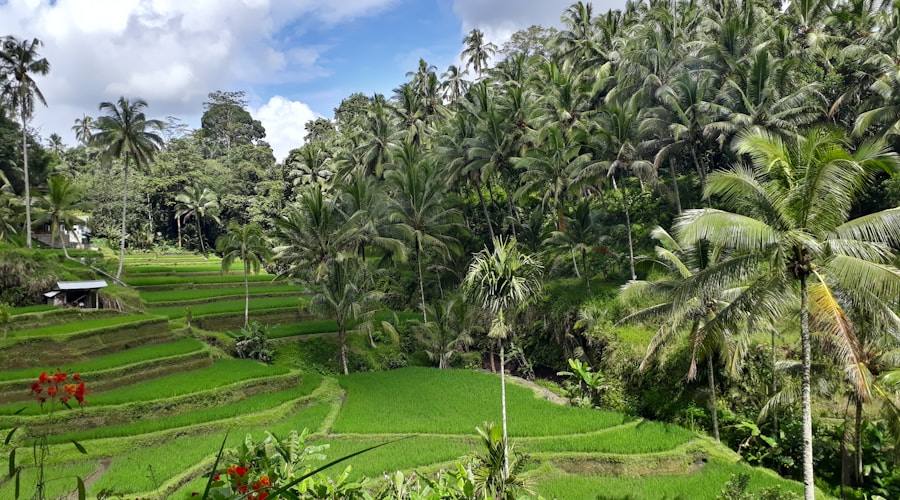
So what should you do differently? First, don't rely on visa-free coming back. Apply for the B1 visa on arrival (VOA) or the e-visa before you fly — both cost around $35 USD and buy you 30 days, extendable once. Second, time your visit. April through October offers dry weather and calm seas. If you must travel during rainy season, pack waterproof gear and build flexibility into your itinerary. Third, spread your money around. The weak rupiah is a gift, but don't just spend it on beach clubs and Instagram brunches. Hire a local guide for a day in the rice terraces of Jatiluwih. Take a cooking class in a village home. Your dollars support real livelihoods, not just resort chains. And finally, book accommodation with good drainage and avoid riverfront properties during wet months.
Practical tip: Download the BPBD Bali disaster app or follow @infobencanabali on X for real-time flood and landslide alerts. It's in Indonesian, but Google Translate works fine. This one move could save you hours of stuck traffic or a ruined day trip.