Bali 2025: Tourism Surge, New Rules, and What Smart Travelers Need to Know
Bali just hit a new milestone. The island now accounts for 55 percent of Indonesia's entire tourism foreign exchange, according to the latest ANTARA News report. That's not just a statistic — it's a seismic shift. Foreign tourist arrivals have reached their highest levels since 2020, with the Jakarta Globe confirming numbers we haven't seen in five years. What does this mean for you? More crowds, higher prices, and a government scrambling to manage the chaos. The stakes for travelers have never been higher. You can't just show up anymore and expect a spontaneous paradise. The Bali you saw on Instagram in 2019 is gone. The real question is: can you still find the magic? Yes. But only if you know where to look — and how to navigate the new reality.
This isn't a sudden boom. Bali has been building toward this for years. The island survived the pandemic downturn, then rebounded with a vengeance. But the numbers are staggering now. Indonesia's tourism ministry projects global travel trends will shift even further by 2026, with Bali positioned as the country's primary revenue engine. That's a lot of pressure on a small island. Historically, Bali has cycled through boom-and-bust periods — the 2002 bombings, the 2018 earthquake scares, COVID. Each time, travelers returned. But this time feels different. The infrastructure hasn't kept pace with the demand. Roads clog. Water runs short. And the government is responding with rules, not upgrades. The crackdown on photographers working on tourist visas, reported by PetaPixel, signals a new era of enforcement. Bali is protecting its turf.
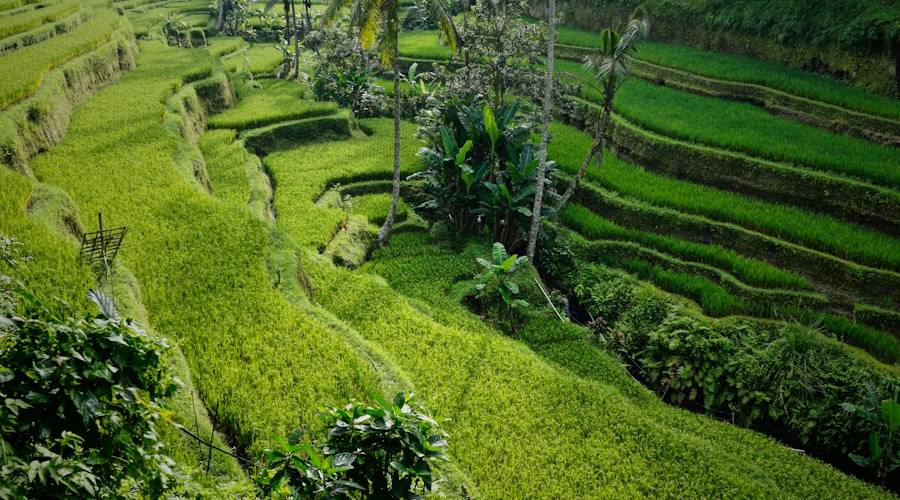
On the ground, you'll feel it immediately. The airport arrivals hall moves faster now, but the traffic to Canggu or Ubud can eat two hours of your day. Popular spots like the Kecak dance at Uluwatu now require advance booking — walk-ins get turned away. Restaurants in Seminyak have waitlists, not tables. The recent flooding near popular tourist areas, covered by The Jakarta Post, serves as a stark reminder that infrastructure is struggling. But here's the paradox: the island still delivers. The rice terraces at Jatiluwih are emptier than ever if you go at dawn. The waves at Padang Padang still peel clean at sunrise. The difference is timing. Smart travelers now build their days around the crowds, not against them. They eat lunch at 11 AM. They visit temples at 4 PM. They avoid Ubud on weekends entirely.
So what should you do differently? First, skip the Instagram hotspots. Don't queue for that famous swing in Ubud — there are twenty others within a kilometer that cost half the price and have no line. Second, book your accommodation with cancellation flexibility. The government is unpredictable with new regulations, and you don't want to be stuck with a non-refundable villa if a new tax or rule drops overnight. Third, consider staying outside the golden triangle of Seminyak-Canggu-Ubud. The north coast around Lovina is quieter, cheaper, and offers dolphin watching without the crowds. East Bali near Amed has world-class snorkeling and far fewer influencers. The key is to treat Bali like a major city, not a remote island. Plan ahead. Check for local holidays. And don't underestimate the power of a good driver — a local guide who knows the back roads can save you hours.
Practical tip: Download the Gojek app before you arrive. It's Indonesia's version of Uber but far more useful — you can order food, get a scooter taxi, or even hire a massage therapist to your villa. Avoid taxis at the airport; they overcharge by at least 200 percent. Use the app's car service instead and walk to the designated pickup point outside the terminal.