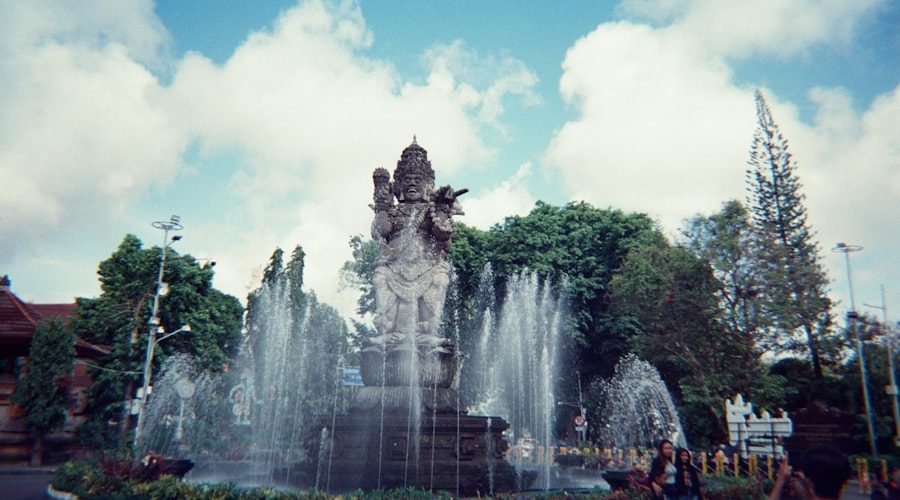
Bali 2025: Record Tourism Surge & Flood Risks — What Travelers Must Know
Bali is on fire — and not just from its volcanic soil. The island now generates 55 percent of Indonesia's entire tourism foreign exchange. That's a staggering number. Foreign arrivals just hit their highest level since 2020, with the Jakarta Globe reporting a clear upward trajectory. But here's the twist nobody saw coming: severe flooding just forced tourist evacuations in popular areas. Thousands of Australian visitors cancelled trips overnight. The 2025 season is shaping up to be a year of extremes — record demand colliding with climate reality. For travelers, this changes everything. You can't just book a villa in Canggu and assume smooth sailing. The stakes are higher now. Your dream trip could turn into a logistics nightmare if you don't plan around the weather and the crowds.
Why is this happening now? Two forces are colliding. First, Bali's post-pandemic rebound is real and aggressive. The Indonesian Ministry of Tourism is projecting even bigger numbers for 2026, fueled by global trends like remote work and 'experience travel.' Second, climate patterns are shifting. The recent floods that swept through Kuta, Seminyak, and Ubud weren't a one-off. They followed weeks of intense rainfall, overwhelming drainage systems that were never designed for this volume. Historically, Bali's wet season (November to March) brought predictable afternoon showers. Now storms are more intense and less predictable. The government is investing in infrastructure, but it's playing catch-up. For context, Bali welcomed over 6 million foreign visitors in 2024 — nearly double the number from two years prior. That many people puts pressure on everything from roads to drainage.
So what does this actually mean for your trip? On the ground, expect two realities. In dry months (April to October), Bali is paradise — blue skies, steady ocean swells, and empty beaches if you know where to go. But during the wet season, prepare for sudden deluges that can turn streets into rivers within an hour. The floods in early 2025 stranded tourists in villas and forced some hotels to evacuate guests by boat. Roads became impassable. Scooter travel — the island's lifeblood — became dangerous. If you're visiting between November and March, you need a backup plan for every day. Don't book a ground-floor room. Don't rely on scooters as your only transport. And definitely don't skip travel insurance that covers weather-related cancellations.
Smart travelers are already adjusting their approach. The secret? Go sideways. Instead of fighting crowds in Canggu or Seminyak, head to lesser-known spots like Amed for world-class snorkeling, Sidemen for rice terrace hikes, or Pemuteran for calm seas and quiet beaches. These areas are less prone to flooding because they're not built on low-lying river plains. Also, consider visiting in shoulder months like April or October — you get the best of both worlds: good weather and fewer tourists. Book flexible accommodation with free cancellation up to 48 hours before check-in. Many hotels now offer 'weather waivers' if conditions turn extreme. And if you're flying from Australia, check the latest travel advisories from your government before you book. The Australian Smartraveller site updates Bali alerts in real time.
Practical tip: Pack a lightweight, packable rain jacket and a waterproof phone pouch — even if you're traveling in the 'dry' season. Bali's microclimates can surprise you, and a sudden downpour can ruin your electronics and your mood if you're unprepared. Keep these in your daypack at all times.