Why Austria Is the Smart Choice for Safe Travel in 2026
Austria is having a moment in early 2026. While global uncertainty still rattles many long-haul destinations, European tourism is showing remarkable resilience — and Austria sits right at the centre of this surge. The European Travel Commission reports that regional demand remains strong, and Austria, alongside Italy, France, and Spain, is drawing record numbers of visitors. For travellers, this means one thing: now is the time to book smart. The country offers a rare combination of alpine beauty, world-class cities, and a reputation for safety. But with record arrivals come crowded trains, pricier hotels, and the need for a strategy. This isn't a quiet secret anymore. Austria is the destination everyone is talking about in 2026.
Why Austria? The numbers tell the story. Early 2026 data shows a sharp rise in intra-European travel, with Austria consistently ranking among the top five destinations for European tourists. The reasons are clear: stable infrastructure, excellent healthcare, and a central location that makes it easy to reach by train or plane. Compare this to other regions where political instability or overtourism has caused headaches. Austria feels like a safe bet. Even the country's tourist board leaned into this reputation with a playful campaign asking visitors to sign an NDA — a clever nod to keeping its hidden gems 'secret.' The underlying message is serious though: Austria is managing growth carefully, and travellers benefit from a destination that prioritises quality over quantity.
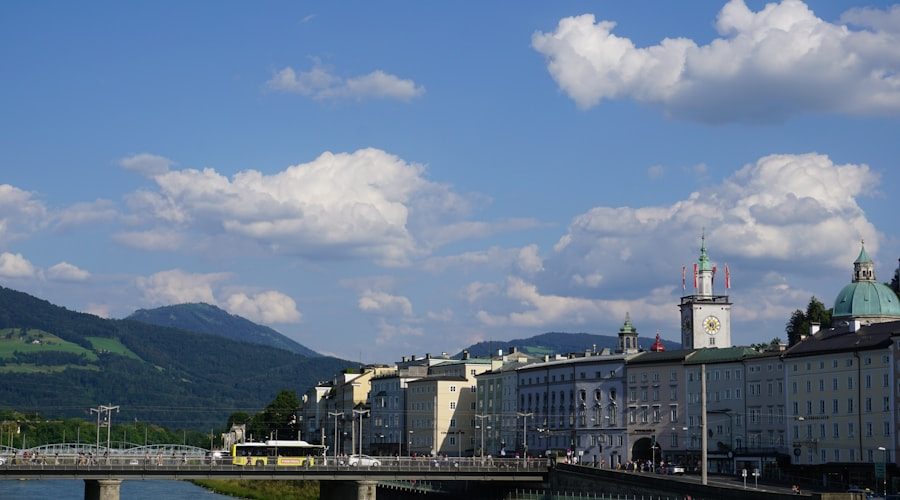
What will you actually experience on the ground? Expect well-organised cities, punctual trains, and clean streets. Vienna's coffee houses remain timeless, but now they're busier than ever — book a table at Café Central or risk a 30-minute wait. Salzburg's old town feels more crowded during peak hours, but the fortress views still take your breath away. In the Alps, ski resorts like Sölden and Ischgl are running at near capacity. The good news? Austria's tourism infrastructure is built for this. Queues move fast, information desks are staffed with multilingual helpers, and public Wi-Fi is reliable. The downside? Last-minute accommodation is scarce. You'll need to plan at least two months ahead for summer 2026.
The smart traveller's move: go off the beaten path. Instead of Vienna, try Graz — Austria's second city with a vibrant food scene and a fraction of the crowds. Instead of Hallstatt (which is beautiful but overwhelmed), visit the neighbouring Dachstein region or the sleepy village of Obertraun. The Salzkammergut lake district has dozens of lesser-known lakes where you can swim without elbowing for space. Also, consider travelling by train rather than car. Austria's rail network is excellent, and the ÖBB Nightjet sleeper trains connect major cities across Europe. You save a night of accommodation and arrive fresh. If you must visit the hotspots, go early morning or late afternoon — the midday rush is brutal.
Practical tip: Download the ÖBB Scotty app for real-time train schedules and buy your tickets online at least three days early — you can save up to 50% compared to last-minute purchases. Always carry cash, as smaller mountain huts and village bakeries still don't accept cards. And pack layers: Austrian weather in spring and autumn can switch from sunshine to snow in an hour.